 Suntrica Solar Energy Solutions






SEARCH WHAT YOU WANT
Search allProductNews
SEARCH
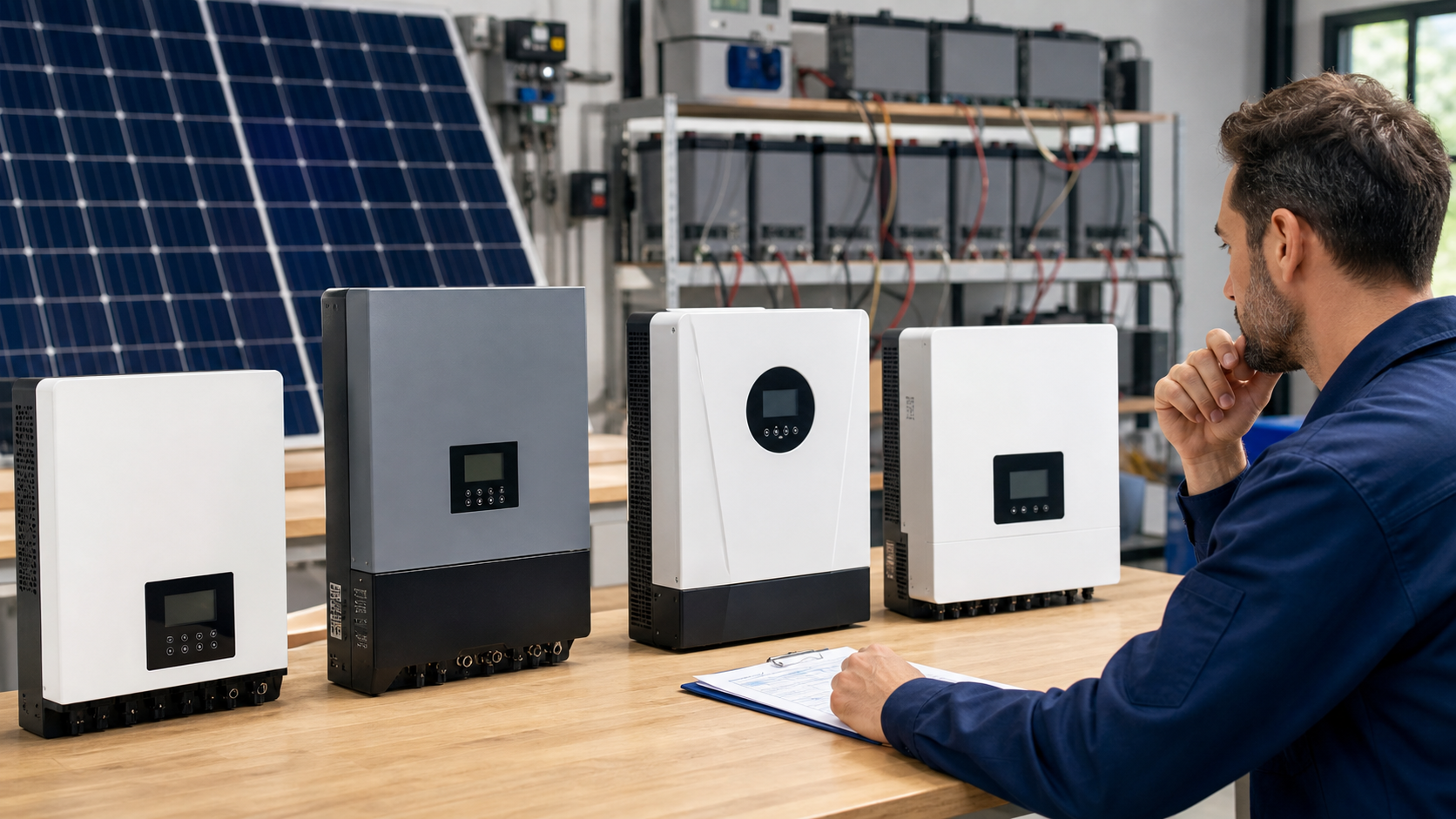
Solar inverter selection for off grid power systems
Choosing the right solar inverter is one of the most important steps in building a stable off-grid power system. The inverter affects output quality, battery charging performance, appliance compatibility, and overall system reliability. Whether you are planning a home backup system, a farm installation, an outdoor power project, or a remote off-grid application, the right inverter helps ensure long-term efficiency and dependable operation.
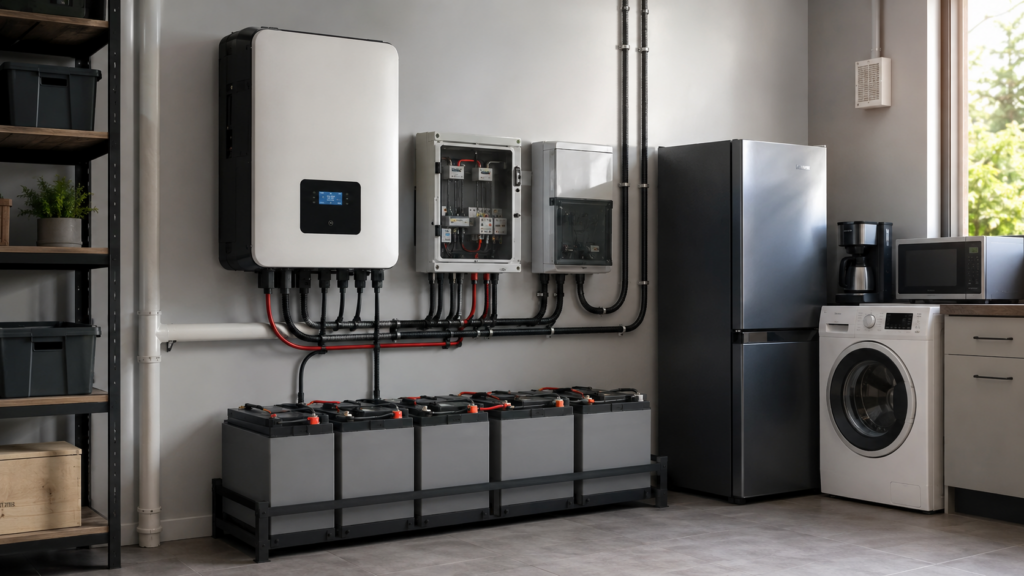
In an off-grid solar power system, the inverter is the core unit that connects solar input, battery storage, and electrical loads. It converts DC electricity into usable AC output and often controls battery charging at the same time. If the inverter is undersized, unstable, or poorly matched with the battery and solar panel configuration, the system may experience overload, poor charging efficiency, shutdowns, or limited appliance compatibility.
A properly selected inverter improves system efficiency, reduces maintenance risk, and ensures that the solar system performs well under real operating conditions. For buyers, selecting the right model from the beginning also helps avoid rework, cost waste, and future upgrade problems.
The first step is to understand what the inverter needs to power. Different off-grid projects have very different load conditions. A small rural home may only require lighting, fans, routers, and a refrigerator, while a farm or workshop may need pumps, freezers, power tools, or other equipment with higher startup demands.
You should check both the continuous power and the peak surge power of the appliances. Many motors, compressors, and pumps require a much higher starting current than their normal running current. If the inverter only matches the rated load but not the startup demand, the system may trip or fail to start the equipment.
As a practical rule, always calculate the total running load first, then reserve enough margin for starting loads and future expansion.
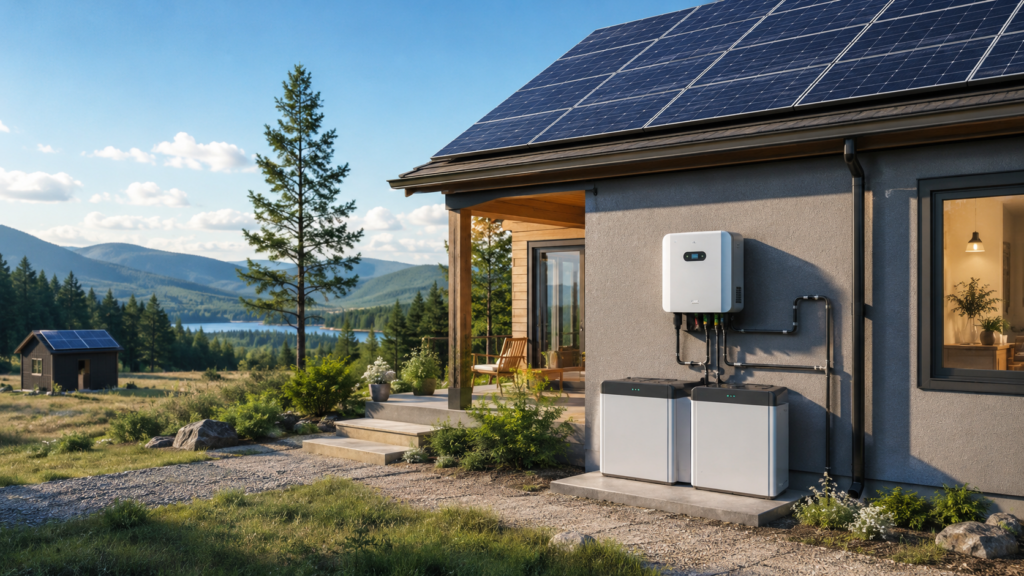
Off-grid inverters are typically designed for specific battery voltage platforms such as 12V, 24V, 48V, or 51.2V systems. The inverter must match the battery bank correctly. A mismatch between inverter voltage and battery voltage can lead to system failure or serious operating issues.
Smaller systems often use 12V or 24V configurations, while medium and larger systems usually move to 48V or 51.2V to reduce current, improve efficiency, and support larger loads more safely. For home energy storage and larger off-grid systems, higher voltage platforms are usually more practical.
Buyers should also confirm whether the inverter supports the battery communication protocol, charging logic, and battery type required by the project.
Inverter selection is not only about AC output. For solar projects, PV input capacity and charging performance are equally important. Buyers should confirm the maximum PV input power, MPPT voltage range, charging current, and whether the inverter supports single or dual PV input.
If the solar array is larger than the inverter’s input capacity, part of the available energy may be wasted. If the MPPT range does not match the solar panel string design, the system may not operate at its best performance. For projects with higher daytime consumption or larger battery banks, stronger charging current is especially important.
A well-matched PV and charging design helps the system recover battery capacity faster and improves daily solar utilization.
For most off-grid systems, pure sine wave output is the preferred choice. It provides more stable power for sensitive electronics, household appliances, communication equipment, and motor-driven devices. Compared with lower-grade waveform output, pure sine wave inverters are safer for broader load compatibility.
Buyers should also check built-in protection features such as overload protection, short-circuit protection, over-temperature protection, battery reverse protection, overcharge protection, and low-voltage shutdown. These functions reduce failure risk and help protect both the inverter and connected loads.
In unstable or remote environments, reliable protection design is especially valuable because it reduces downtime and service pressure.
Some projects only need a simple standalone inverter, but others may require future expansion. If the project may grow later, it is wise to choose an inverter that supports parallel operation, external communication modules, monitoring, or generator integration.
For example, remote power systems may need WiFi or RS485 communication, while larger residential or commercial systems may benefit from battery communication and system monitoring. Some users also need inverter models that can work without batteries under specific conditions, or models that support dual AC output for different load priorities.
The best inverter is not simply the biggest one. It is the one that matches the real project structure, installation environment, future expansion plan, and daily power demand.
Confirm continuous load and peak surge demand before choosing inverter capacity.
Check whether battery voltage and communication requirements match the inverter.
Review PV input power, MPPT range, and charging current to avoid energy loss.
Choose pure sine wave output for better compatibility with household and sensitive loads.
Check overload, short-circuit, temperature, voltage, and battery protection functions.
Think about monitoring, parallel expansion, generator support, and system upgrades.
The right solar inverter should be selected based on real project conditions, not only on rated power. Buyers should carefully review load demand, battery voltage, PV configuration, charging capacity, output quality, safety protection, and future expansion needs before making a decision.
If you are building an off-grid solar system for home, commercial, agricultural, or remote applications, choosing the correct inverter from the beginning can improve reliability, reduce long-term cost, and make the overall system easier to manage.
Share your load data, battery voltage, and solar panel configuration with us, and we will recommend a suitable off-grid inverter solution for your project.
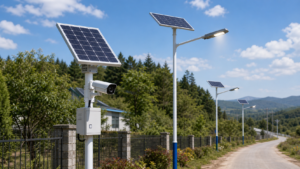
Learn how solar panels are used for street lights, security cameras and outdoor devices with panel size, battery and autonomy planning.
View details
A solar water pump can run without batteries by using direct PV power. Compare water storage, battery and hybrid options and learn the inputs needed for sizing.
View details
Learn how to plan a residential solar backup system with solar panels, hybrid inverter, LiFePO4 battery storage and essential load matching.
View details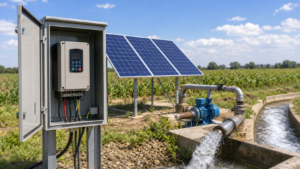
A solar water pump controller guide for matching pump power, PV input, protection functions and field installation conditions.
View detailsFor project matching, wholesale supply or OEM/ODM cooperation, contact Suntrica or discuss cooperation. You can also reach us on WhatsApp or call +86 185 1610 1196.