 Suntrica Solar Energy Solutions






SEARCH WHAT YOU WANT
Search allProductNews
SEARCH
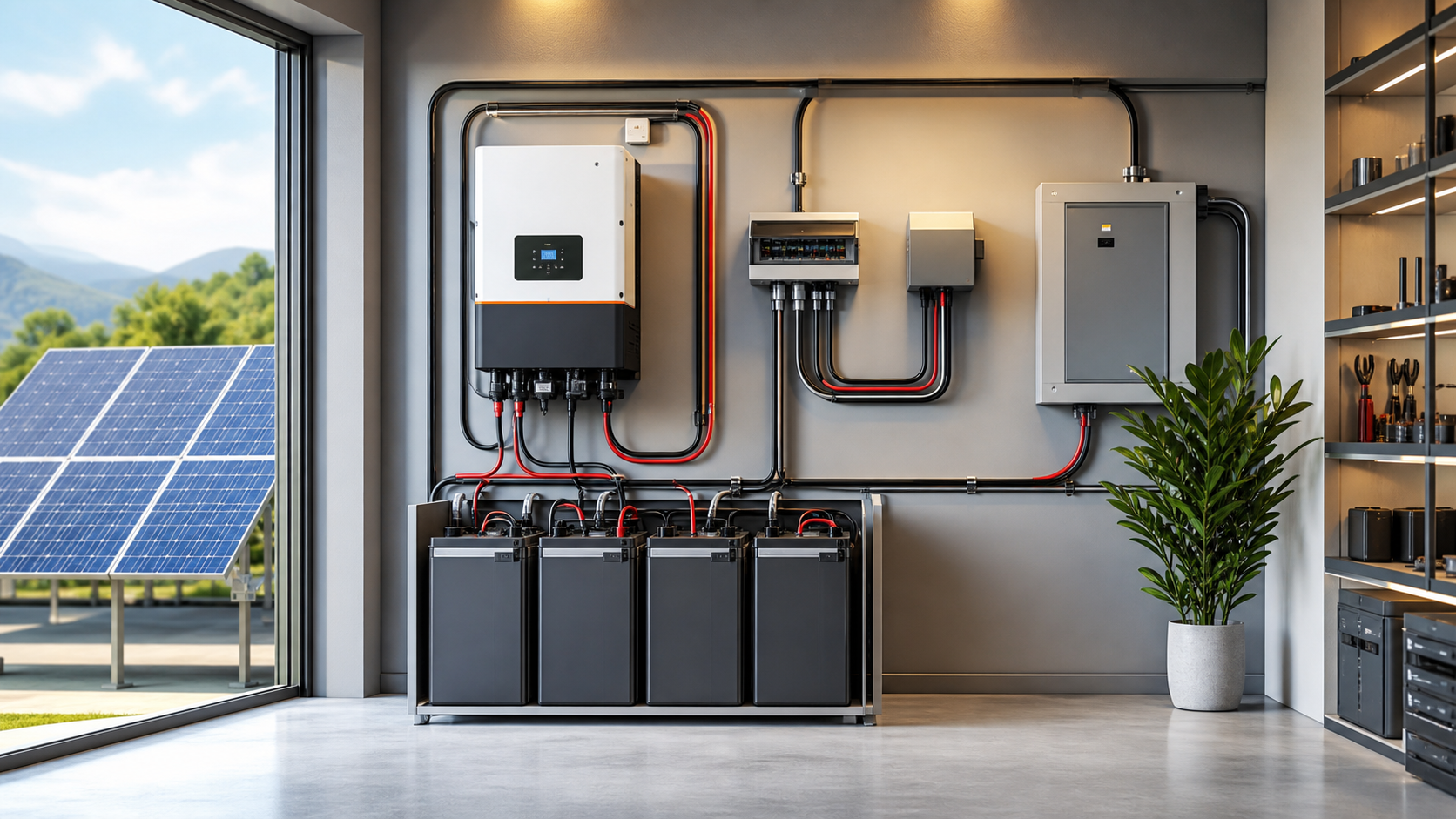
Matched solar panels inverter and battery for one complete system
Matching solar panels, an inverter, and a battery in one system is essential for building a stable and efficient solar power solution. Even if each component is high quality, the overall system may still perform poorly if the voltage, power range, or charging relationship between them is not properly designed. For buyers, a well-matched system helps improve daily energy use, reduce losses, and avoid future operating problems.
The first step is to start from the actual load demand. Buyers should know what equipment the system needs to power, how many hours it runs each day, and whether any devices have high startup current. This determines the inverter size and also affects how much battery capacity and solar panel input are needed. In simple terms, the inverter should match the AC load, the battery should match the backup time, and the solar panels should match the daily charging requirement.
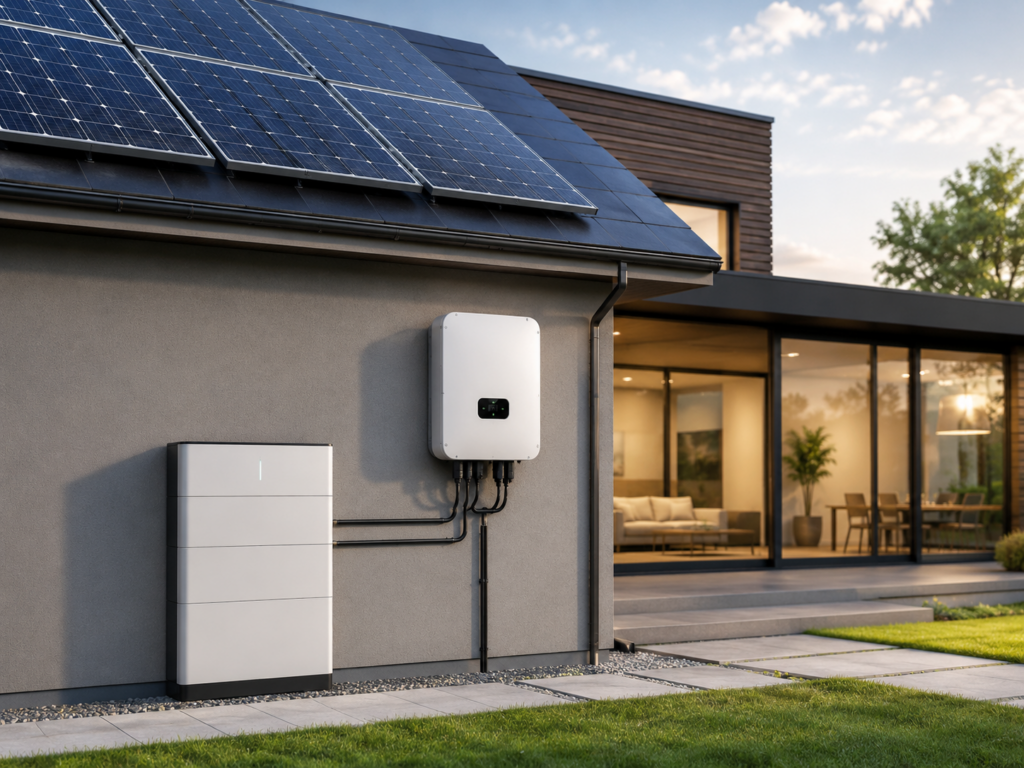
The second step is to make sure the system voltage is consistent. Solar batteries and inverters are usually designed around common voltage platforms such as 12V, 24V, 48V, or 51.2V. The battery voltage must match the inverter design, and the solar panel configuration must also fit the inverter’s MPPT input range. If the panel voltage is too low or too high, the inverter may not charge efficiently or may fail to operate correctly.
The third step is to balance power generation and storage capacity. If the solar panel array is too small, the battery may not recharge fast enough. If the battery is too small, it may not support the required runtime. If the inverter is too large for the rest of the system, overall efficiency may drop and cost may increase unnecessarily. The best match is a system where solar input, battery storage, and inverter output all work together according to the real project needs.
A practical solar system should also consider future expansion, installation conditions, and appliance priority. Some projects may need only short backup time, while others require full off-grid operation. Some systems may also need monitoring, communication, or generator support. For this reason, proper matching is not only about technical numbers, but also about how the system will be used in real life. A correctly matched system is easier to manage, more stable in daily operation, and more valuable in the long term.
Learn how solar panels support farm irrigation projects with pump power matching, sunlight evaluation and system configuration planning.
View details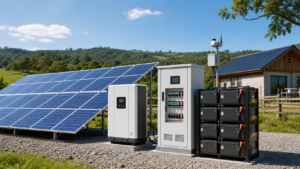
Understand the main components of an off-grid solar system, including panels, inverter, battery storage, charge control and protection devices.
View details
Learn commercial solar ROI basics for factories and warehouses, including payback factors, electricity use, system sizing and quote preparation.
View details
A remote farm solar power system guide covering panels, battery storage, pump loads, lighting and equipment backup planning.
View detailsFor project matching, wholesale supply or OEM/ODM cooperation, contact Suntrica or discuss cooperation. You can also reach us on WhatsApp or call +86 185 1610 1196.