 Suntrica Solar Energy Solutions






SEARCH WHAT YOU WANT
Search allProductNews
SEARCH
For camping, a solar panel has to do more than carry a useful wattage on its label. It needs to fit the vehicle, survive transport and charge the power station you already own. A panel that is convenient to carry may be a poor electrical match; a larger framed module may charge well but be awkward to store.
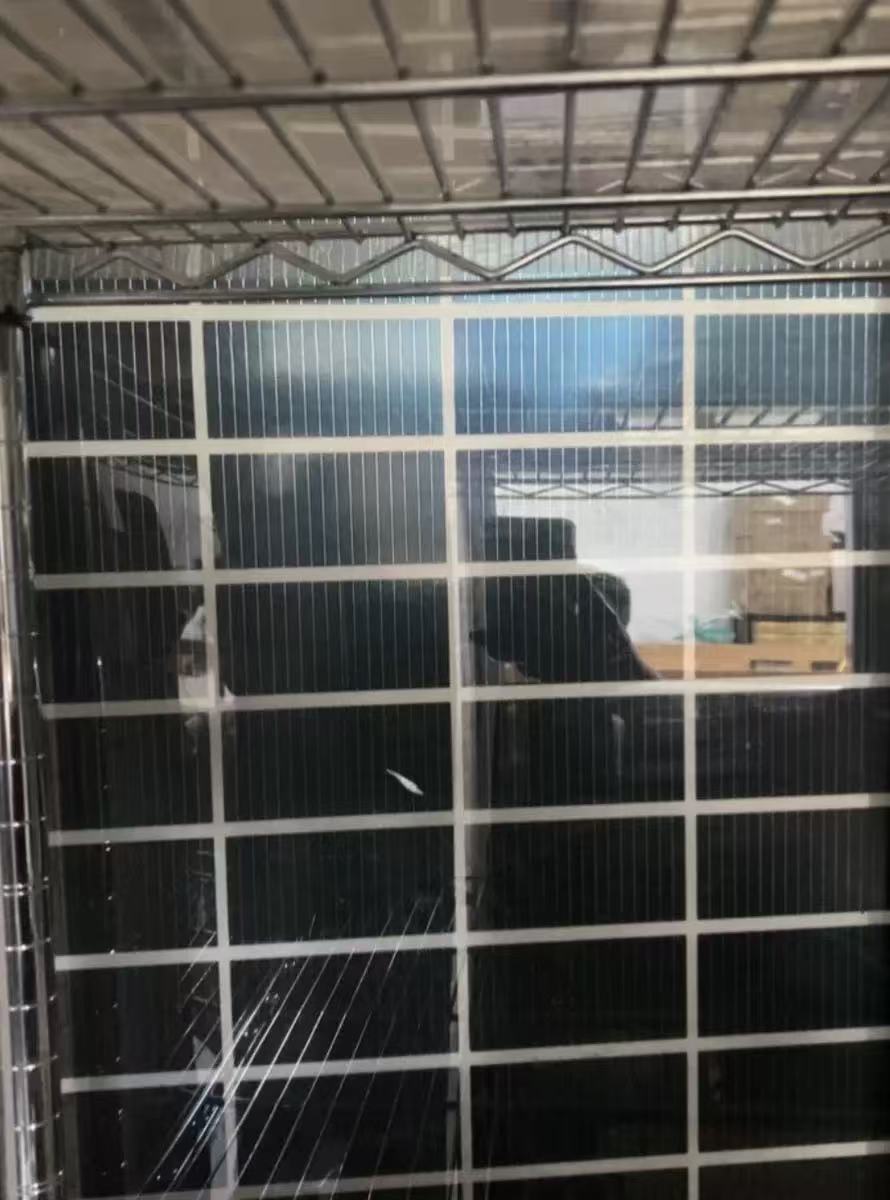
The supplied photographs show framed modules. The accompanying review discusses flexible panels and outdoor charging, but a review alone cannot establish the construction or performance of the pictured products. The sensible starting point is the actual module label and the power station’s manual.
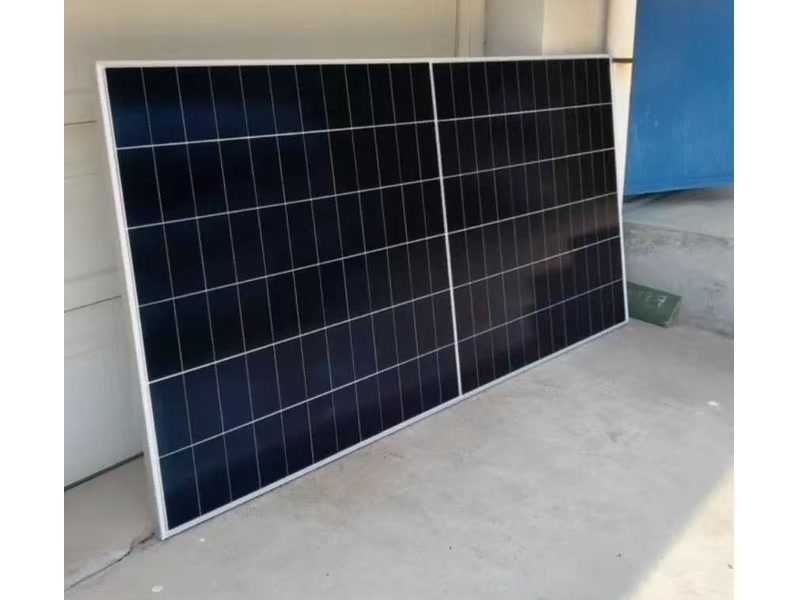
Find the power station’s permitted PV voltage range, maximum input voltage, current limit and solar power limit. Then compare the panel’s open-circuit voltage (Voc), operating voltage and current, and short-circuit current with the manufacturer’s requirements. Matching the plug shape is only one part of compatibility.
Series connections increase voltage; parallel connections increase available current. Neither arrangement is automatically right for every power station. For example, two panels each rated at 40V Voc would total 80V in series before temperature correction, so that arrangement would already exceed a hypothetical 60V maximum input. Cold-weather voltage also needs to be considered.
Manufacturer instructions, such as the EcoFlow DELTA manual, explain connection limits for specific models. Use your own model’s manual and confirm any third-party adapter, polarity and cable rating before connection.
A framed rigid panel can suit a vehicle with a dedicated storage rack or a properly designed fixed installation. Its dimensions and weight need to work for the person moving it. Protect the glass, frame corners and cable exits in transit rather than placing loose luggage on top.
A flexible panel may be useful where weight or an approved curved mounting surface matters, but the permitted bending radius and mounting method must come from its manufacturer. Flexible does not mean it can be folded sharply. A folding portable panel is another construction, with designated hinges or fold lines and its own handling instructions.
Add the watt-hours used by lighting, phones, laptops, refrigeration and other equipment, including relevant conversion losses. Battery capacity determines how much energy can be stored; the panel determines how quickly sunlight can replace what was used.
For illustration, a 200W array with the equivalent of three full-sun hours and a combined usable-yield assumption of 70% would provide about 200 × 3 × 0.70 = 420Wh. This is a planning example, not a test result for the pictured panel or a guaranteed daily yield. Local weather, shade, orientation, temperature and charging limits can change the result substantially.
Place the panel where it has a clear view of the sun and keep the power station within its specified temperature and weather limits. Confirm whether the connectors, cable joints and power station itself are approved for outdoor exposure; a panel’s weather rating does not automatically cover the rest of the setup.
Record the energy added over a useful charging period rather than relying on a momentary high watt reading. If you need dependable power through several cloudy days, allow for additional battery reserve or another approved charging source. A lightweight panel cannot remove that energy constraint.
Before ordering, send Suntrica the exact power-station model, daily energy requirement, available storage space and preferred portable or fixed arrangement. We can help compare suitable solar panel options and connection requirements with supply partners. Contact us to discuss the configuration.
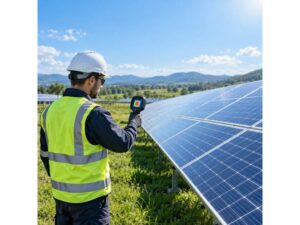
Use this practical solar panel inspection and maintenance checklist to identify damage, soiling, loose mounting, wiring problems and weather-related risks.
View details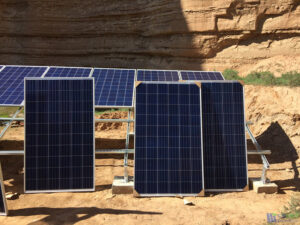
Estimate panel count for a 5kW inverter with 400W to 600W modules, then check MPPT voltage, input current, cold-weather Voc and battery-charging needs.
View details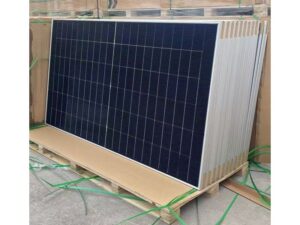
See what a 720W solar panel pallet label reveals about module quantity, shipping weight and traceability, plus the checks needed before project delivery.
View details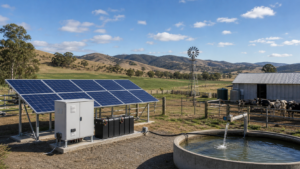
Plan remote farm solar around seasonal work, water storage, cold rooms and night loads. Use a service-priority sheet and check backup responsibilities.
View details