 Suntrica Solar Energy Solutions







SEARCH WHAT YOU WANT
Search allProductNews
SEARCH
A 720W rating is useful when comparing solar panels, but it does not tell a buyer how the modules will arrive or whether they suit the planned installation. Panel dimensions, pallet weight and the exact model number can matter just as much when an order reaches the unloading point.
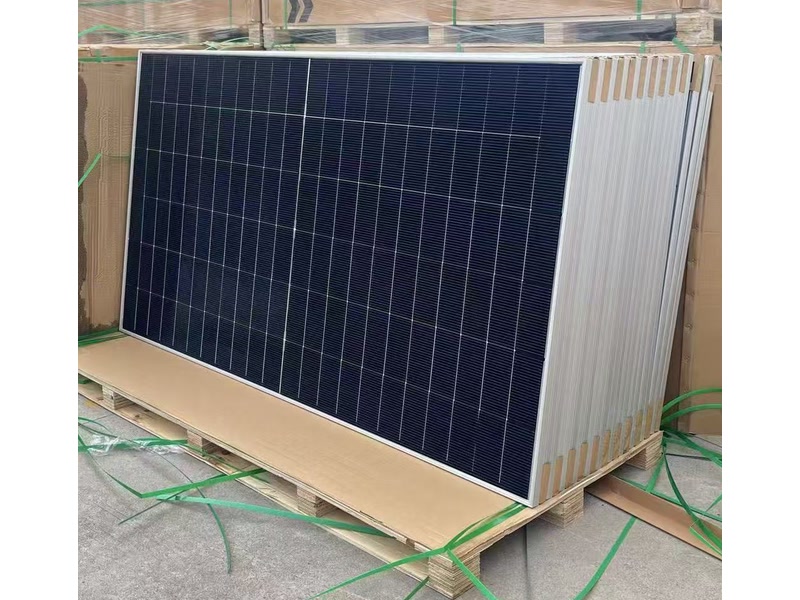
The photographs below show large-format modules alongside wrapped pallets, followed by a close-up of the packing label. They offer a practical example of what to check between selecting a panel and arranging delivery.
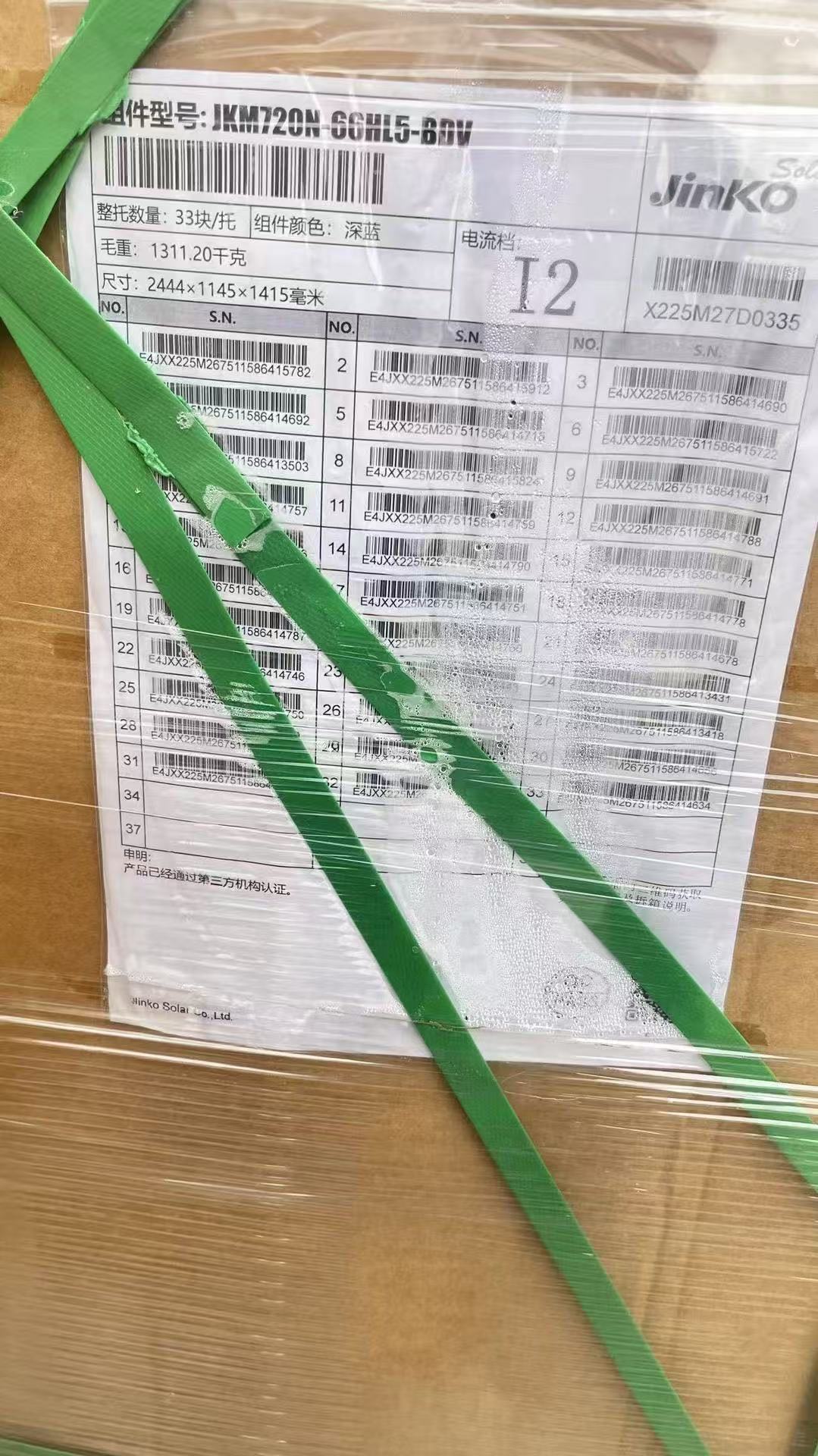
The photographed label identifies JKM720N-66HL5-BDV, with 33 modules on the pallet. That full model reference is more useful than a description such as “720W panel” because it connects the purchase order, datasheet and serial-number record.
| Item | Details for the photographed pallet |
|---|---|
| Module model | JKM720N-66HL5-BDV |
| Nominal module power | 720W at standard test conditions |
| Quantity | 33 modules per pallet |
| Combined nameplate capacity | 23.76kWp, calculated as 33 × 720W |
| Labelled gross pallet weight | 1,311.20kg including packaging |
| Labelled packed dimensions | 2,444 × 1,145 × 1,415mm |
The 23.76kWp figure is installed DC nameplate capacity, not daily electricity production. The weight and dimensions describe this packing arrangement; a different export packing configuration may have different figures. The freight quotation should use the final packing list for the actual order.
JinkoSolar’s Z4 datasheet lists a module size of 2,384 × 1,303 × 33mm and a module weight of 37.5kg for this series. It describes an N-type, bifacial, dual-glass construction. These details come from the manufacturer’s 66HL5-BDV datasheet; the supplied batch and document revision should be confirmed before ordering.
For a commercial roof or ground-mounted array, a larger panel can reduce the number of modules needed for a given DC capacity. It still has to fit the site. Check the usable mounting area, access routes, lifting arrangements and approved clamp positions before choosing by wattage alone. A layout that looks efficient on paper may be awkward to move through a narrow entrance or install on a constrained roof.
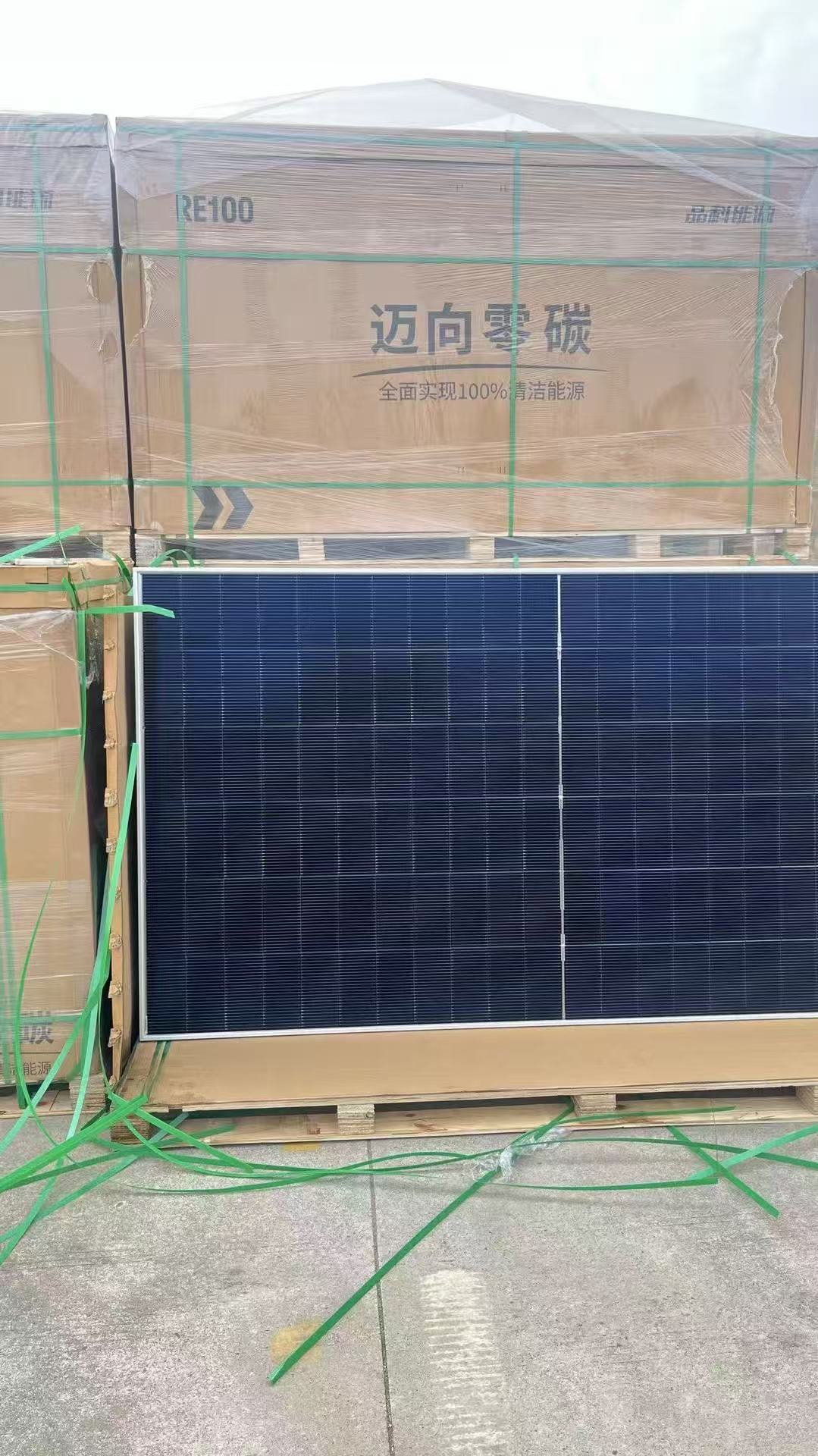
The pictures show cardboard packaging, stretch wrap, green straps and protective pieces around the module edges. At inspection, look for crushed corners, punctures, a damaged pallet base or signs that the load has shifted. If damage is visible on arrival, photograph the unopened pallet and its label before discussing unpacking with the supplier and carrier.
The serial-number list on the label is also worth keeping with the order documents. Compare it with the packing list and, when accessible, the module labels. Ask for the relevant factory flash-test records and any inspection reports required by the contract. An intact carton and a clear serial list help with traceability, but they do not replace agreed electrical testing.
For the 720W version, the same Z4 datasheet gives an operating voltage of 40.89V, operating current of 17.61A, open-circuit voltage of 49.04V and short-circuit current of 18.67A at standard test conditions. Use the exact supplied model’s confirmed values when reviewing an inverter or controller.
High module power does not guarantee compatibility with an existing PV input. The designer needs to check current limits per input and MPPT, the string operating-voltage range, and cold-weather open-circuit voltage. Bifacial rear-side contribution also depends on the installation and must be considered when assessing current. It should not be added as a fixed energy bonus to every project.
Before requesting a delivery quotation, send the required quantity, destination, site type and proposed inverter model. Suntrica can help coordinate module selection and packing details with supply partners. You can view our 700–720W solar panel range or contact us with your project requirements.

Use this commercial rooftop solar checklist to review roof space, load demand, solar panels, inverter matching, storage options and project data.
View details
Check a wall mounted home battery's structure, location, service access and inverter interface. Use a site survey and document checklist before installation.
View details
Learn how to specify custom small solar panels by size, voltage, wattage, frame, cable and connector, then verify samples, packaging and installation.
View details
See how a 950W RV solar array reached about 928W and learn how an MPPT controller converts 66V PV input into 27V 34A battery charging.
View details