 Suntrica Solar Energy Solutions







SEARCH WHAT YOU WANT
Search allProductNews
SEARCH
A loose band or an exposed frame corner is easy to overlook at the loading point. After several lifts and a long road journey, either can become the reason an installation is delayed. Solar panels need packing that holds together from collection to the installation site.
The work starts before the outer carton is closed. The module model, quantity and packing arrangement need to agree with the order, and the receiver needs to know what equipment will be required to unload it.
The open pallet below shows the details that are usually hidden once the packing is finished: modules held in a consistent position, protective pieces along the frame edges and bands around the stack. Those small pieces matter. They help keep adjacent frames apart and protect the places most exposed during handling.
Use the module supplier’s approved packing arrangement, including its specified orientation and quantity per pallet. Bands should hold the load together without damaging the frames or applying unsuitable pressure to the glass. A heavier strap or an extra layer of film cannot make up for a damaged pallet or missing edge protection.
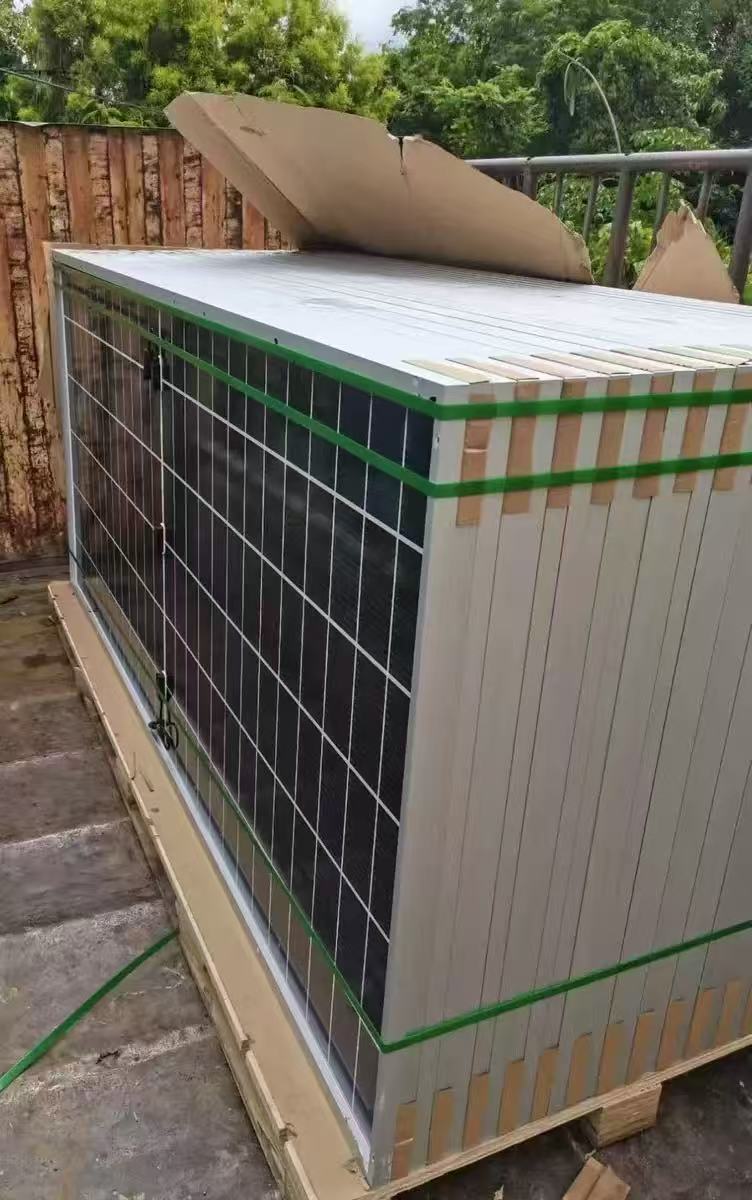
A pallet has to work at both ends of the journey. Confirm the packed dimensions and gross weight before arranging collection. The loading team and receiver need a suitable forklift or another agreed lifting method, with access that suits the pallet base.
Check the base for damage and make sure loose packaging or cables will not catch during the lift. If the delivery point is a narrow yard or a building without unloading equipment, settle that before booking the vehicle. Finding a workaround with the truck waiting outside is rarely a good start.
The packing list should identify the model, quantities and pallet numbers clearly. Keep the serial-number record where one is available. Photographs of the pallet, labels and outer packaging taken before dispatch give both sides something specific to refer to if a question comes up later.
The loading photographs show wrapped cartons on a wooden pallet at the container door. Once cargo is positioned, its restraint still needs to be checked for the intended route. The bands and film holding a pallet together do not, by themselves, secure that pallet to the vehicle or container.
The CTU Code’s cargo-securing guidance makes this distinction between bundling a load and restraining it against movement. The packer should select suitable blocking, bracing or lashing without damaging the cartons or modules. Space beside a pallet and loose equipment near the doors also need attention before departure.
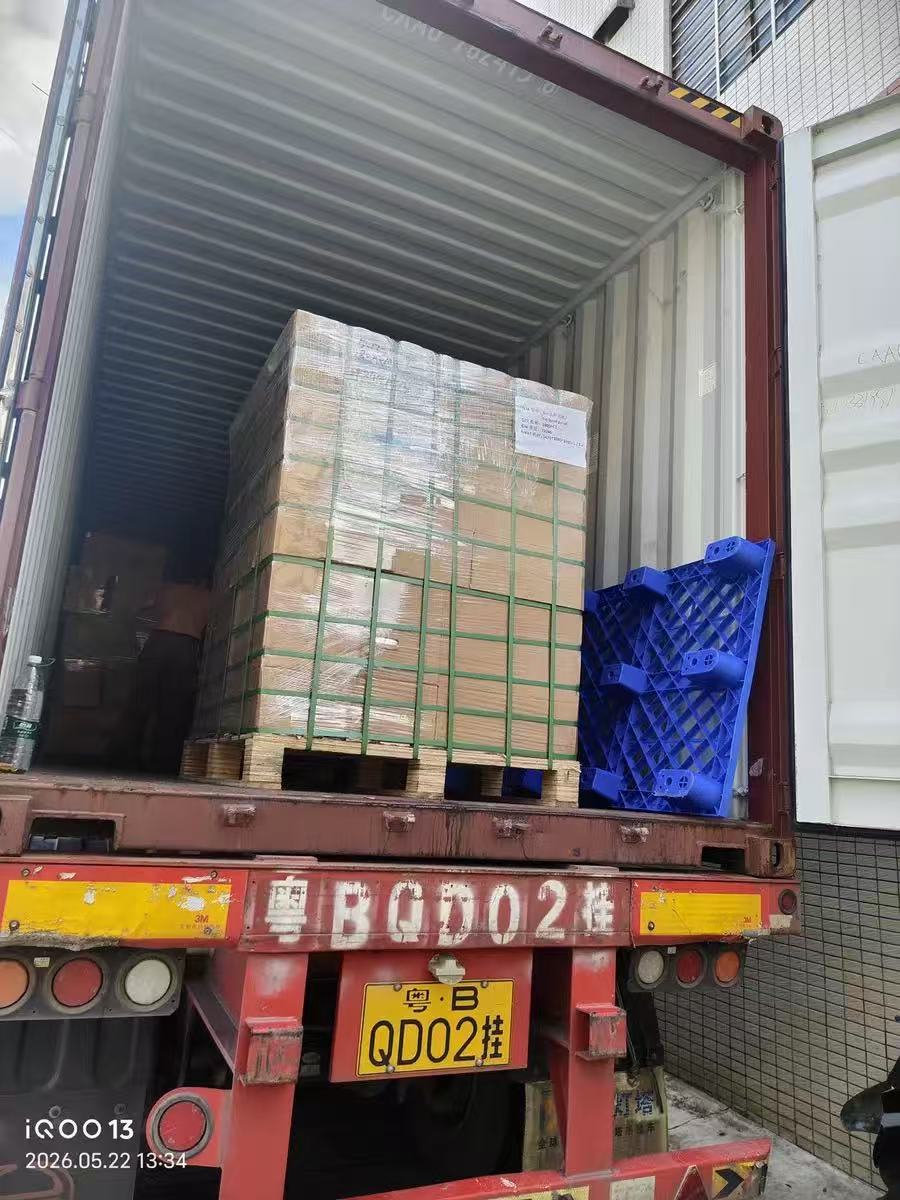
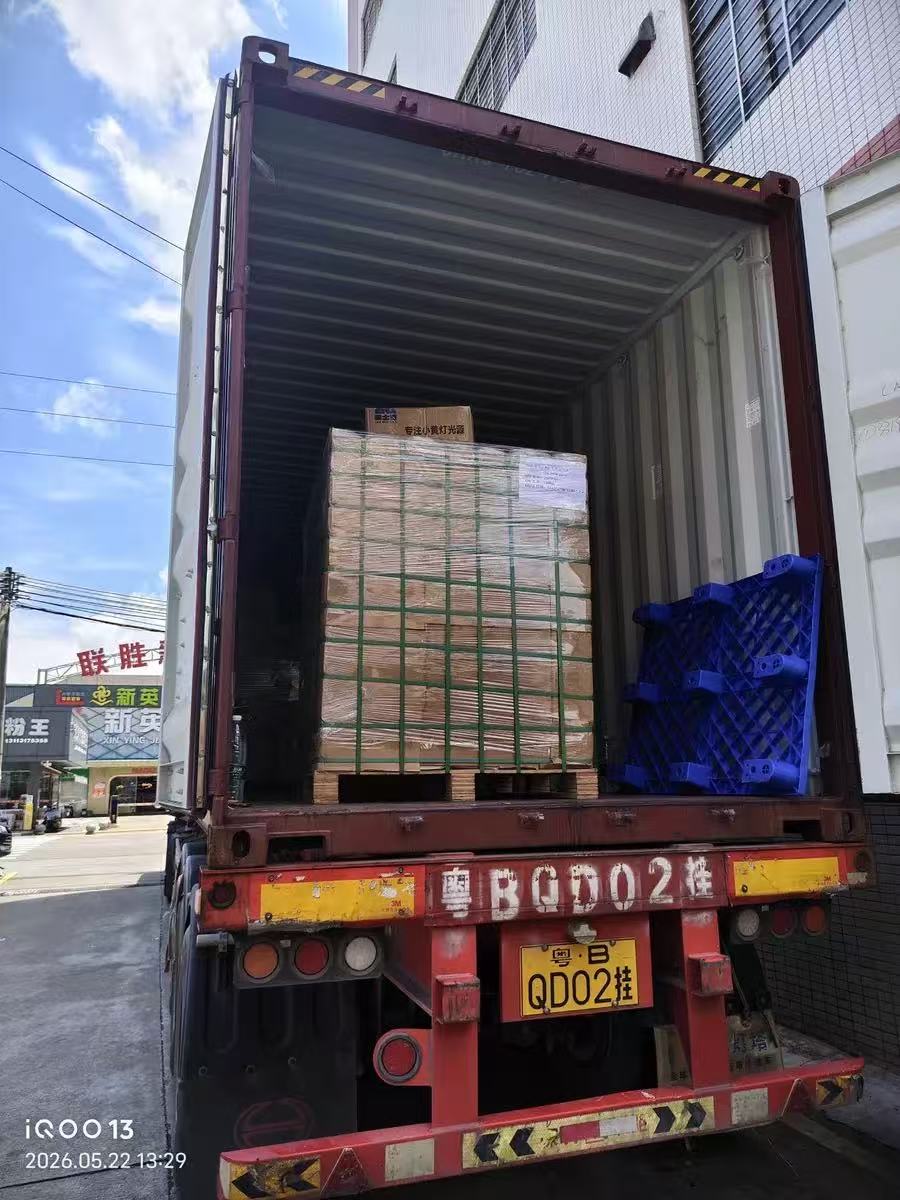
Before opening the packing, compare the pallet count with the delivery documents and look for crushed cartons, torn wrapping, broken bands or signs that the load has shifted. Photograph visible damage and record it with the carrier. Leave the affected packaging available while the supplier and carrier review the issue.
After unpacking, the panels still need protection on their way to the installation area. Follow the supplied handling instructions and avoid moving an opened stack without appropriate support or repacking. Manufacturer handling guidance is useful here, but the instructions for the exact module and packaging take priority.
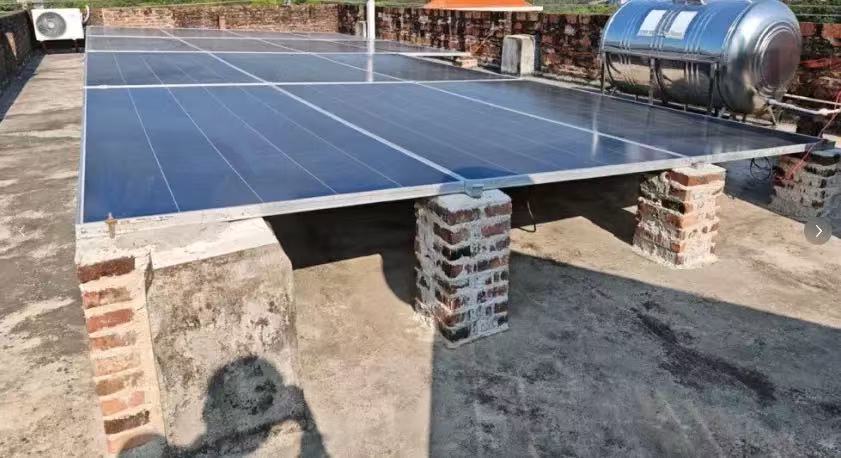
For a solar panel supply and delivery enquiry, send Suntrica the required module type, quantity, destination and unloading arrangements. That lets the panel selection, packing and delivery plan be discussed together. Contact us with the order details.

Use this practical solar panel inspection and maintenance checklist to identify damage, soiling, loose mounting, wiring problems and weather-related risks.
View details
See practical rooftop solar checks covering shading, mounting, module condition, inverter readings and daily generation records before the system handover.
View details
Choose single or three phase solar inverters using per-phase loads, outage requirements and an overload example. Check split-phase and expansion limits.
View details
Estimate panel count for a 5kW inverter with 400W to 600W modules, then check MPPT voltage, input current, cold-weather Voc and battery-charging needs.
View details