 Suntrica Solar Energy Solutions







SEARCH WHAT YOU WANT
Search allProductNews
SEARCH
An orderly rooftop array is a good start. A useful handover also leaves the owner knowing where the electricity goes, what the inverter readings mean and how to recognise a change in performance. The roof layouts and equipment photographs below show where those checks begin.
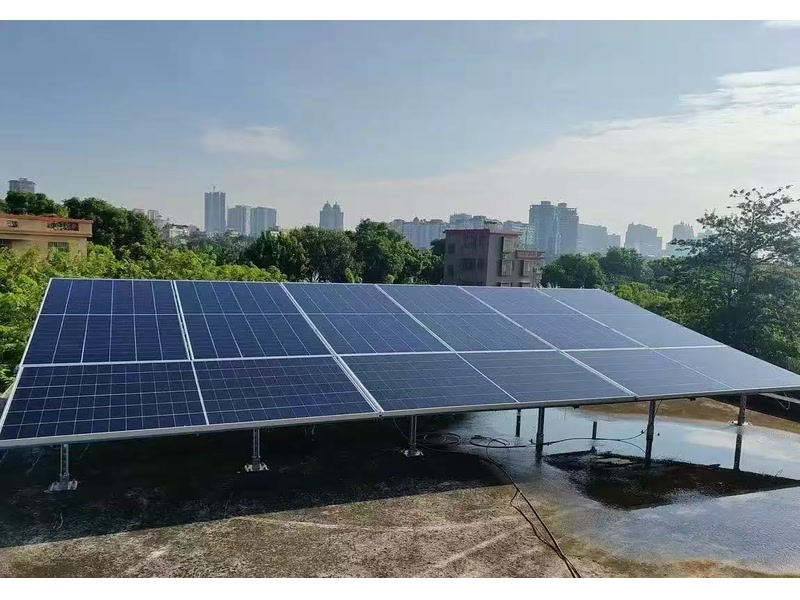
The first roof photograph shows photovoltaic panels sharing space with evacuated-tube solar water-heating equipment. The two systems serve different purposes. PV modules produce electricity, while the tube collectors capture heat for hot water. Both need space for maintenance, and neither should create avoidable shade over the other.
A sunny photograph records only one moment. Water tanks, collectors, parapet walls and nearby buildings can cast longer shadows at other times of day or in another season. Before signing off the layout, have the installer review shading across the usable solar window and keep a practical route to equipment and roof drains.
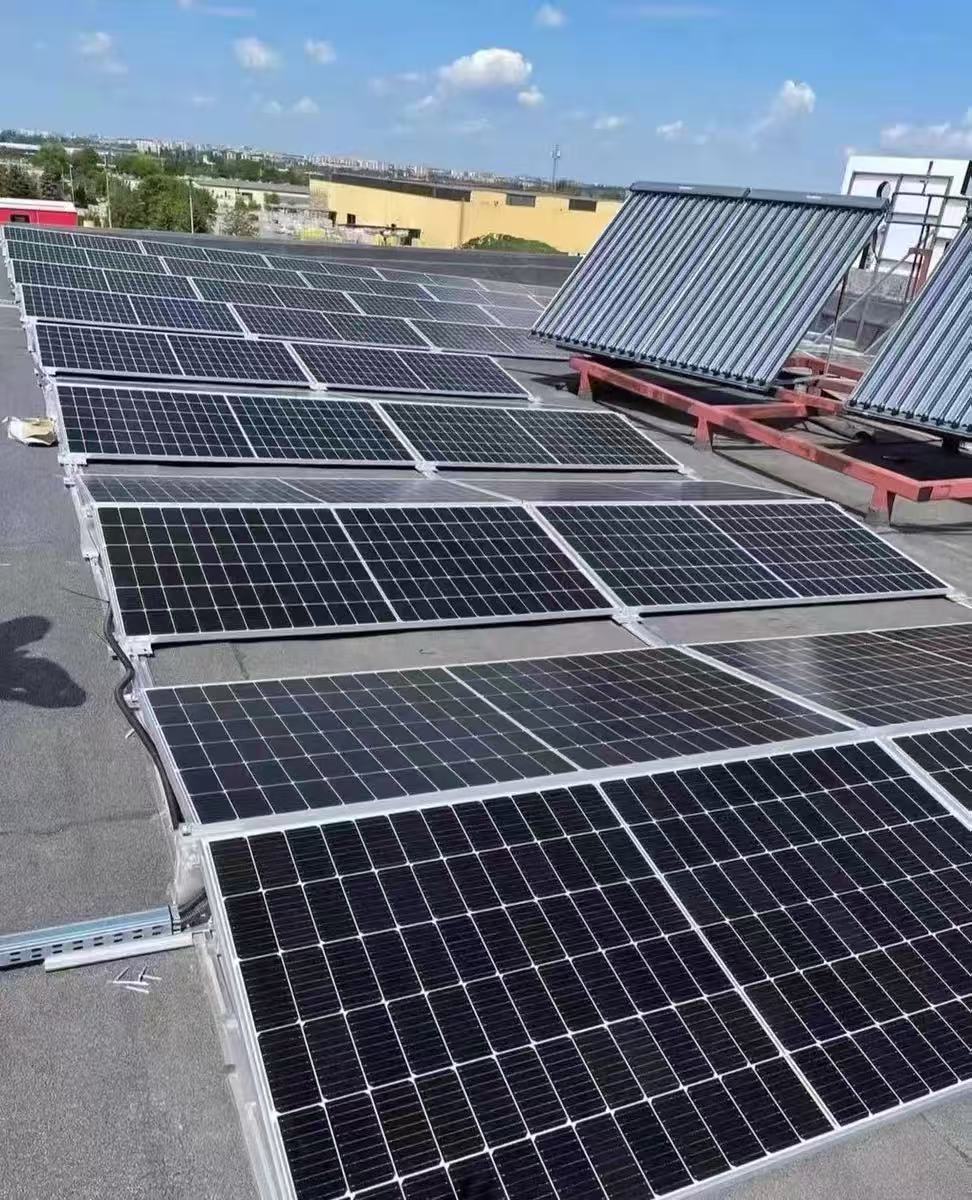
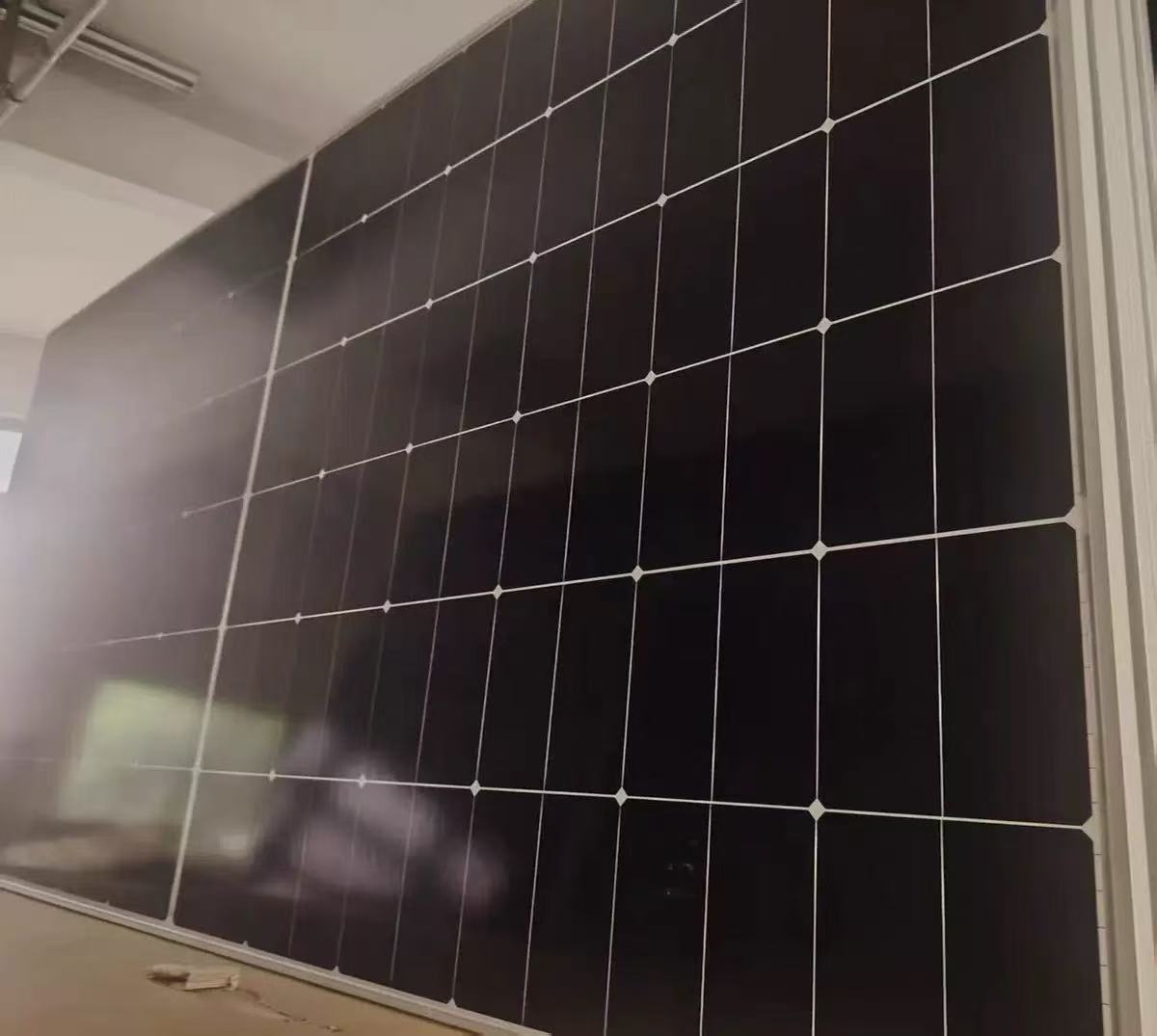
Record the panel model and serial numbers, then inspect accessible glass, frames, backsheets or rear glass, and cable connections for damage. The close-up photograph shows the cell layout and aluminium frame; the module label and datasheet are still needed to confirm its electrical ratings.
The mounting deserves a separate review. Roof loading, wind exposure, fixing details and waterproofing must suit the approved installation design. Raised panels also need secure cable support underneath, with drainage paths left clear. The U.S. Department of Energy’s PV design guide identifies a stable, durable mounting structure as a basic part of the complete system. Electrical and structural checks should be completed by appropriately qualified installers.
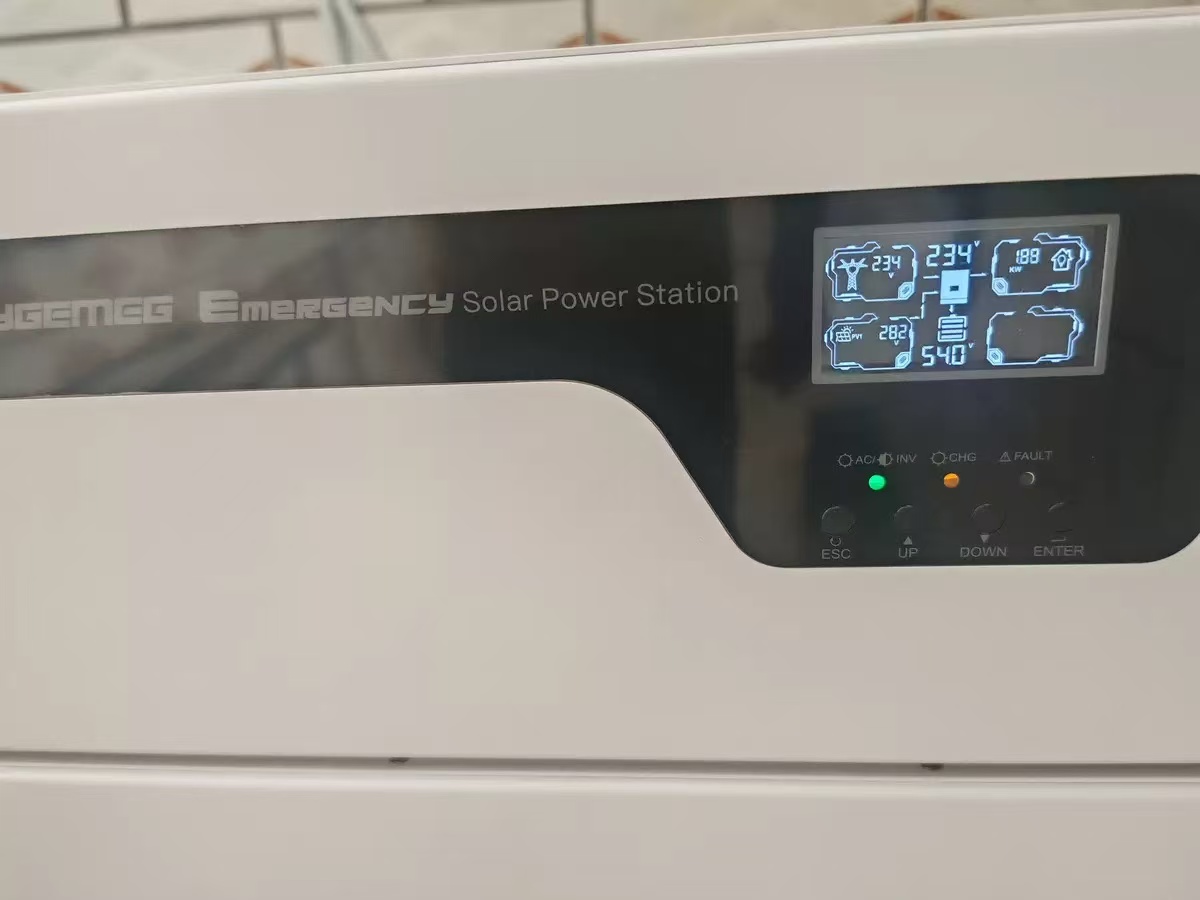
The photographed inverter display shows approximately 234V on the AC side and 54.0V beside the battery symbol. These readings help describe the operating condition at that moment. They do not tell us the array’s daily electricity production or the battery’s usable capacity.
A voltage reading alone is not a power measurement. To assess solar input, use the inverter’s PV power reading or the corresponding voltage and current data. Check the operating mode as well: an AC output near the expected supply voltage does not, by itself, establish how much of the load is being supplied by solar, battery or grid power. The installer should explain the display using the manual for the exact inverter model.
During the first weeks, save daily generation in kWh together with basic weather notes. Where monitoring supports it, also record battery charging and discharging, grid imports and exports, and any fault messages. This gives the installer something useful to review if performance changes later.
Compare the record with the installer’s expected seasonal yield and with the system’s own earlier performance under similar conditions. One high midday power reading cannot establish a normal daily yield. The Australian Government’s solar monitoring guide explains how historical monitoring adds context beyond the inverter’s immediate display.
A good handover file should include:
Clear records make future service easier and help separate a change in sunlight or electricity use from an equipment problem. If you are planning a rooftop system, send Suntrica the roof dimensions, site location, electricity-use pattern and any backup-power requirement. We can help compare suitable solar panels and inverters with our supply partners. Contact us to discuss the proposed configuration.
Plan remote farm solar around seasonal work, water storage, cold rooms and night loads. Use a service-priority sheet and check backup responsibilities.
View details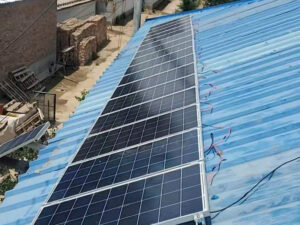
Size a home off-grid solar system from daily energy, peak load, surge power, peak-sun-hours, battery autonomy and PV charging requirements.
View details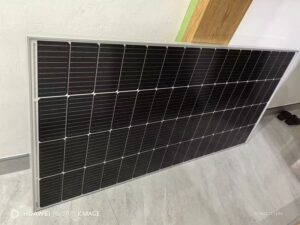
An MPPT app shows 2,364.3 W of solar input and 2,246.1 W of battery charging. Learn what the voltage, current, daily yield and load readings tell you.
View details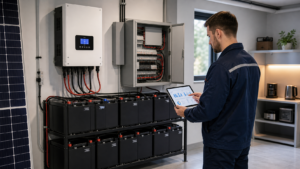
Calculate solar battery backup time with usable energy, inverter losses and a worked 51.2V 100Ah example. Check variable loads and BMS limits.
View details