 Suntrica — решения в области солнечной энергетики







НАЙДИТЕ ТО, ЧТО ВАМ НУЖНО
Поиск по всему сайтуПродуктНовости
ПОИСК
Standard solar modules are convenient when the available space and electrical design are flexible. They are less useful when a product enclosure, lighting pole, monitoring station, portable system or small pumping controller has a fixed footprint. In these projects, a custom small solar panel can solve the mechanical problem—but only if the electrical and production details are defined before manufacturing begins.
A reliable order starts with a drawing and an electrical target, then moves through sample approval, batch control, packaging and installation. The following checklist explains what buyers should confirm at each stage.
Panel length and width should not be the first decision. Begin with the load, operating hours, battery voltage, controller type, installation location and worst-season sunlight. These inputs determine the daily energy requirement and the minimum charging power. The available mounting area then sets the practical limit for the module.
For battery charging, “12V panel” is only a market description. The actual module must have a suitable operating voltage (Vmp) and open-circuit voltage (Voc) for the charge controller and battery architecture. A panel that physically fits can still be electrically unsuitable.
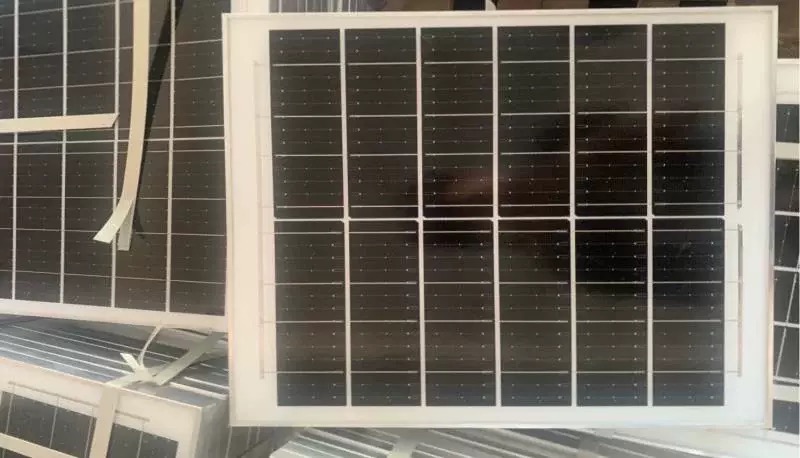
At minimum, a custom-module request should state:
Do not accept a quotation based on wattage alone. Two panels with the same rated power can have different voltages and currents because of their cell count and interconnection pattern. The supplier should confirm the finished module data, not only the nominal cell rating.
The drawing should show the overall length, width and thickness; frame profile; mounting-hole positions; junction-box or cable-exit location; connector orientation; and allowable dimensional tolerances. If the panel fits into an enclosure or metal frame, leave realistic clearance for production tolerance, thermal movement and installation access.
Edge finish matters on small modules that are frequently handled. Frames and corners should be smooth, fasteners secure and cable exits protected against pulling and abrasion. A neat front surface is useful, but the rear construction, sealing and termination quality deserve the same attention.
A pre-production sample is the best opportunity to find errors before quantity production. Check the physical dimensions against the signed drawing, then verify the frame, glass, cell alignment, cable length, connector and label. Electrical checks should include polarity, Voc, Isc and a power measurement under a controlled test condition.
Where the application requires it, discuss insulation, wet-leakage, pull-force, thermal-cycle or environmental testing with the supplier. A sample that looks correct does not automatically prove long-term outdoor reliability.
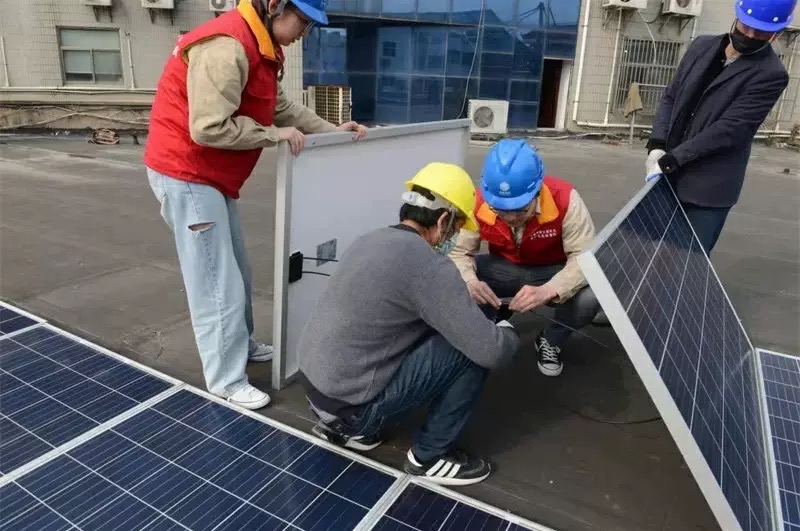
After the sample is approved, record the materials and construction that made it acceptable. This can include the cell type and grade, glass or front-sheet construction, encapsulant, backsheet, frame profile, junction box, cable and connector. If substitutions are allowed, the approval procedure should be defined in advance.
Batch inspection should compare production units with the approved sample. Useful checks include dimensions, appearance, cell alignment, frame condition, cable and connector details, polarity and electrical output. Sampling frequency should reflect order quantity and project risk.
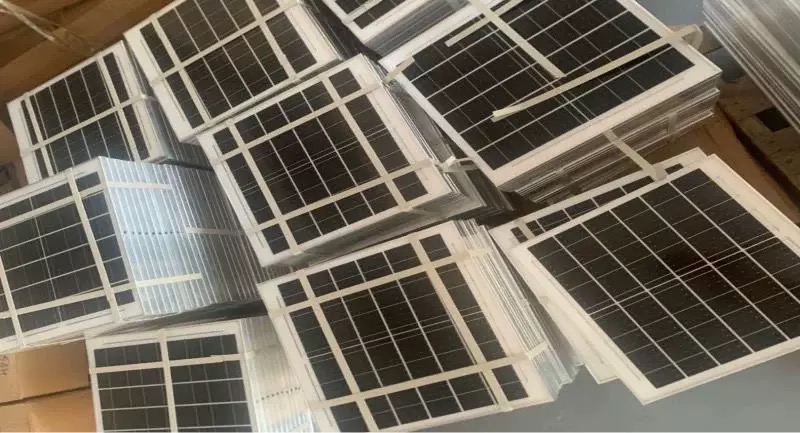
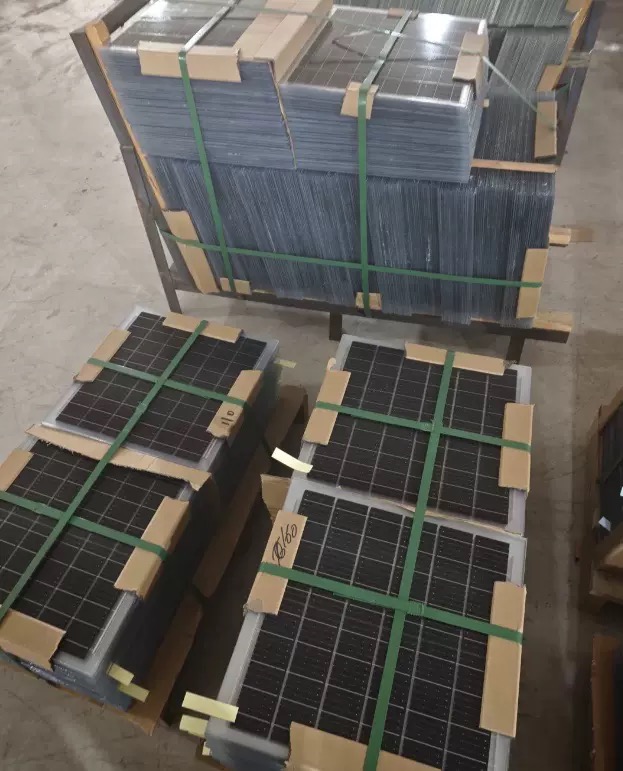
Small modules are easier to handle than full-size modules, but exposed glass, frames and connectors can still be damaged by impact, vibration or excessive strapping pressure. Packaging should prevent panel-to-panel movement and protect corners and faces. Cable ends should be secured so they cannot scratch adjacent surfaces.
For export shipments, confirm pallet dimensions, stack height, gross weight, moisture protection and handling marks. Photos of the finished packing are useful, but the packing method should also be recorded in the quotation or order specification.
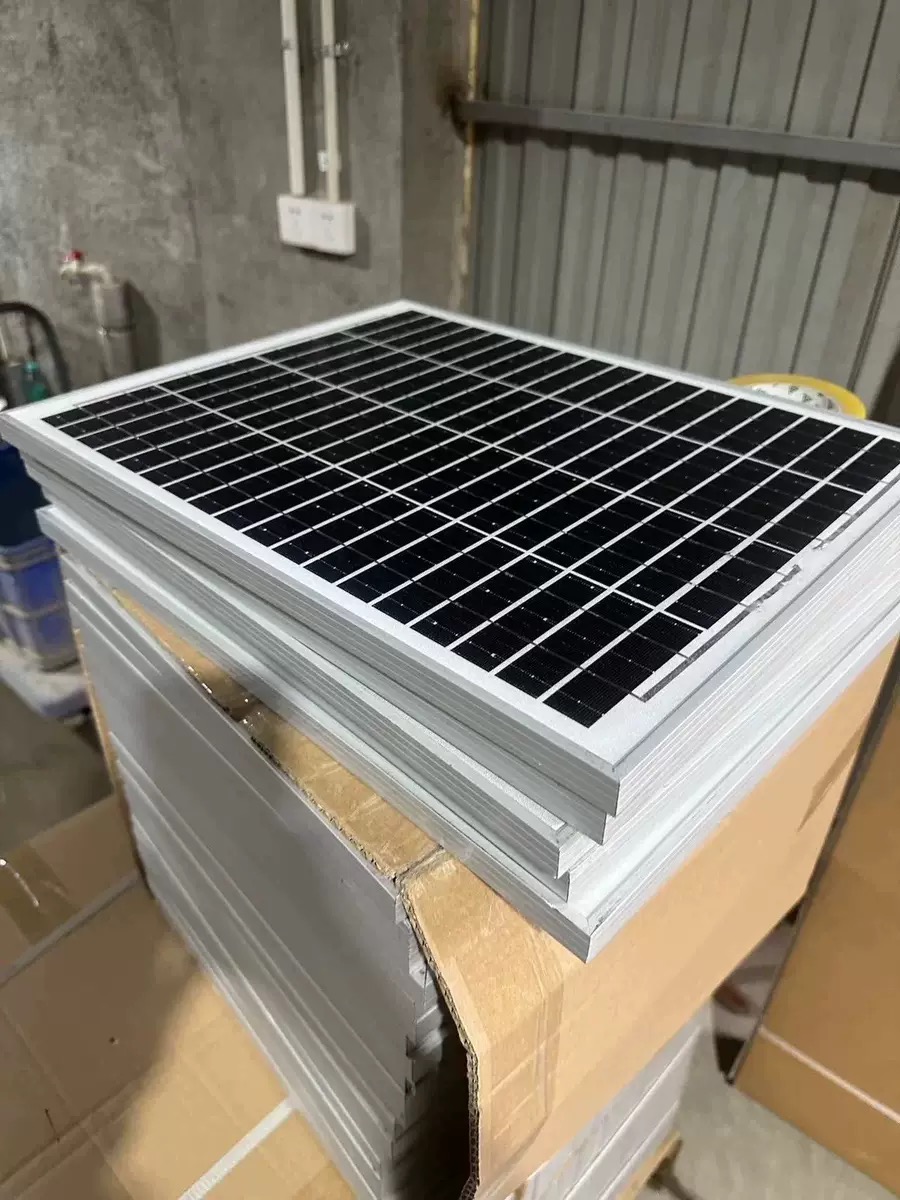
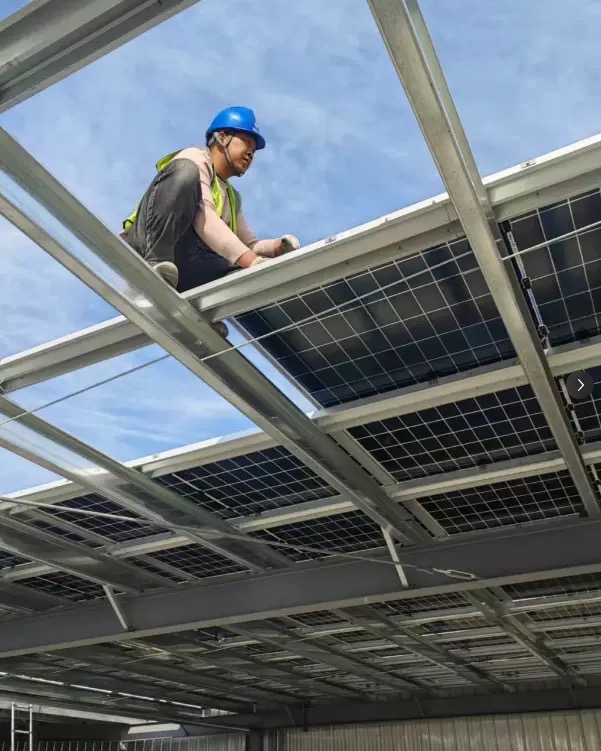
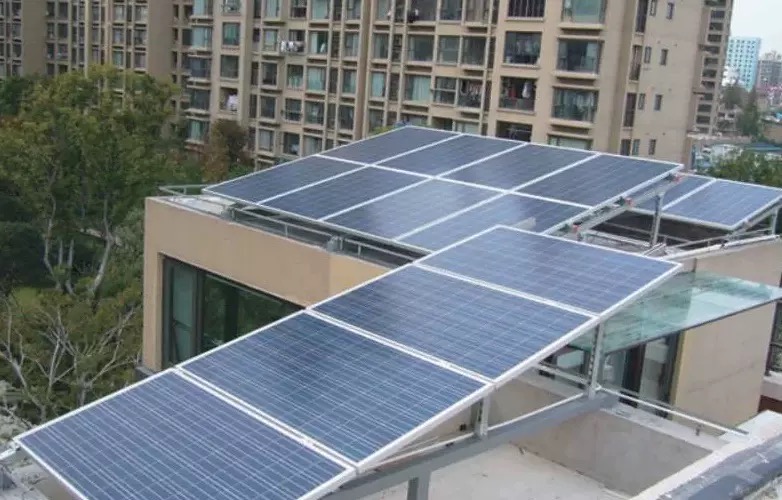
Even a correctly manufactured panel can underperform if it is shaded, poorly ventilated or mounted at the wrong angle. Keep the active surface clear of structural shadows, follow the approved clamp or bolt locations, and avoid twisting the frame. Cable routing should include strain relief, weather protection and a path that does not trap water.
Before handover, record the array layout, module quantities, polarity, open-circuit voltage and controller readings. This provides a baseline for later troubleshooting.
| Item | Information to provide |
|---|---|
| Заявка | Load, operating hours, battery and controller |
| Electrical | Power, Vmp, Voc, Imp, Isc and tolerance |
| Mechanical | Drawing, dimensions, thickness, holes and frame |
| Connection | Cable length, connector, polarity and junction position |
| Environment | Temperature, humidity, salt, dust, wind and mechanical load |
| Quality plan | Sample approval, test records and batch inspection |
| Logistics | Quantity, destination, packing and delivery schedule |
Custom small solar panels are not simply standard modules cut to a different size. Cell layout, voltage, frame, cable, connector, sealing and mounting must work as one design. A clear specification, physical sample and documented inspection plan reduce the risk of receiving a panel that looks correct but does not fit or charge the system properly.
For a project quotation, send the available panel area, required power, system voltage, battery and controller details, cable and connector requirements, installation environment, quantity and destination. We can help organise the technical specification and compare suitable custom-module options.
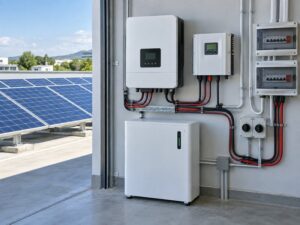
Learn how to match solar panels, charge controllers, inverters, batteries, cables and protection for a safe, reliable solar power system.
Посмотреть подробности
Learn how to select a 48V brushless DC solar deep-well pump with 304 stainless steel, dry-run protection and a matched controller for farm irrigation.
Посмотреть подробности
Size a home off-grid solar system from daily energy, peak load, surge power, peak-sun-hours, battery autonomy and PV charging requirements.
Посмотреть подробности
Learn how solar cell and module efficiency affects power output, installation area, system losses and the choice of photovoltaic technology.
Посмотреть подробности