 حلول الطاقة الشمسية من «سونتريكا»








ابحث عما تريد
البحث في الكلالمنتجالأخبار
بحث
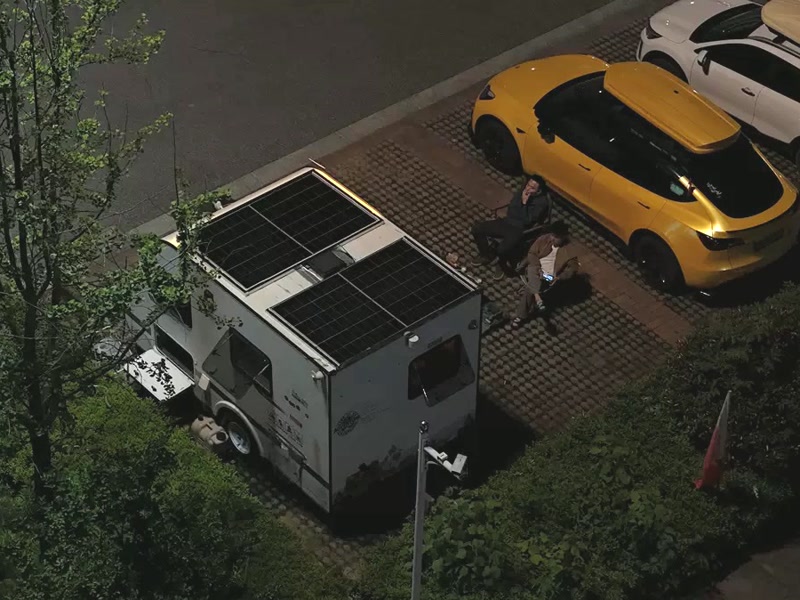
A compact RV solar system can produce surprisingly strong charging power when the array, MPPT controller, wiring and battery are matched correctly. In this field example, a nominal 950W rooftop array was observed at approximately 928W on the controller display—about 97.7% of its nameplate rating at that moment.
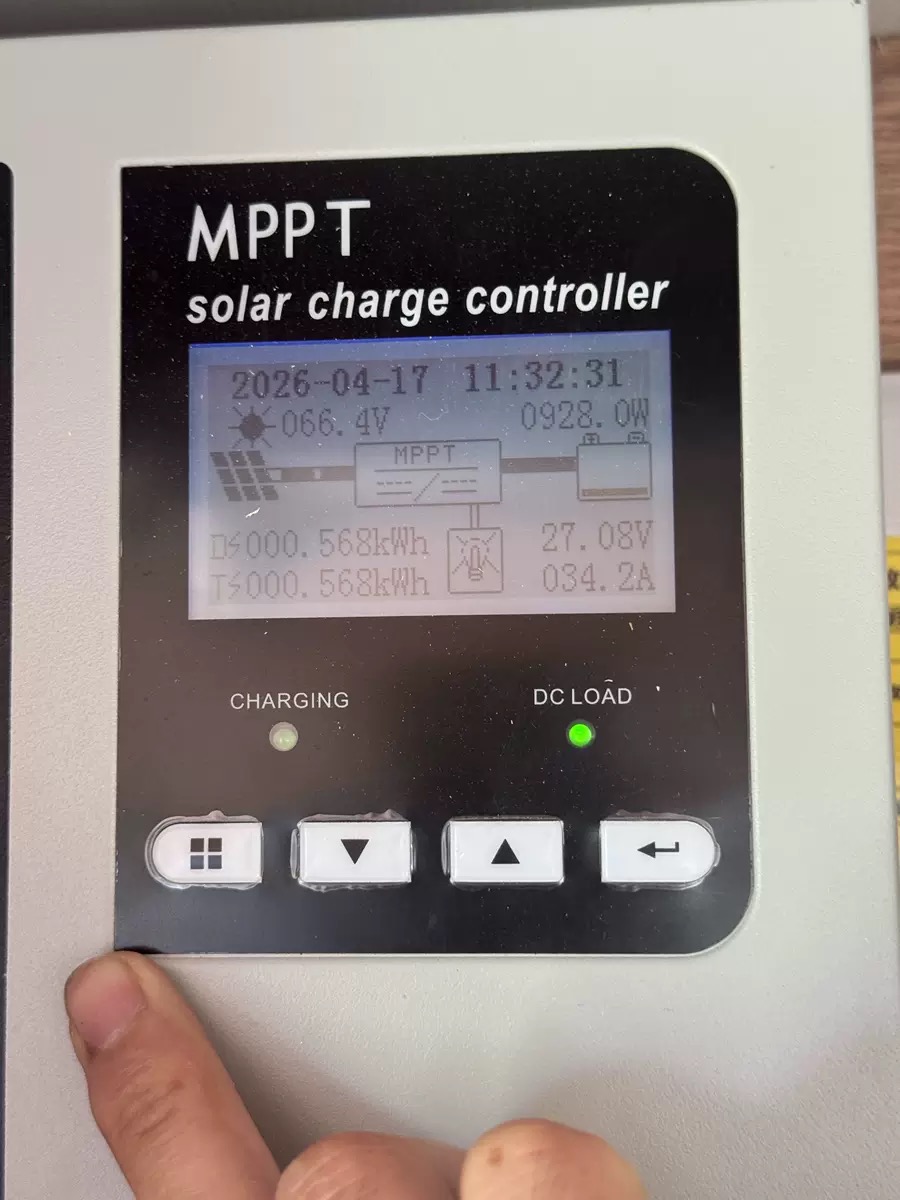
The controller screen in the photograph shows approximately 66.4V on the PV side and 928W of solar input. On the battery side, it shows about 27.08V and 34.2A. Multiplying the battery voltage by the charging current gives:
27.08V × 34.2A ≈ 926W
This is very close to the displayed 928W. The small difference can be explained by display rounding, sampling time and the point at which the controller measures voltage and current. The readings are also consistent with a 24V nominal battery bank charging near 27V.
Solar modules are rated under Standard Test Conditions (STC): 1,000W/m² irradiance, 25°C cell temperature and a defined solar spectrum. Actual output changes throughout the day. A field reading close to nameplate power is possible when several conditions occur together:
The 928W reading is about 97.7% of the array's nominal 950W rating. It demonstrates a strong operating point, but it should not be treated as the system's all-day average or as a laboratory efficiency certificate. Controller display accuracy, irradiance, temperature and measurement location all affect the result.
The photovoltaic array in this example operates at a much higher voltage than the battery. An MPPT controller searches for the voltage and current combination that produces the most power from the modules, then converts that power to the battery's charging voltage.
Power is approximately voltage multiplied by current. When the controller steps the PV voltage down from around 66V to around 27V, the available charging current rises. This is why the battery side can show more than 34A even though the PV string current is much lower.
MPPT does not create extra energy. Its value is that it lets the modules operate near their maximum-power point instead of forcing them to operate directly at battery voltage. Conversion losses, cable losses and controller limits still need to be considered.
At roughly 926W of charging power, a 24V-class battery receives about 34A. Supplying similar power to a 12V-class battery would require approximately twice the current. Higher current needs thicker cable, larger fuses and more attention to voltage drop and heat.
A 24V system can therefore be a practical choice for an RV array close to 1kW, provided that the battery, inverter, DC loads and charging equipment are all compatible with 24V. The selected battery must also allow the controller's maximum charge current. Battery capacity alone is not enough; check the BMS continuous charge-current limit and the manufacturer's recommended charging voltage.
RV roofs have limited usable area and often contain vents, air conditioners, antennas and rooflights. Even a small shadow across part of a module can reduce array power. Before installation, plan the module layout around shading, access and cable routes.
The mounting system must handle road vibration, wind pressure and thermal movement. Use compatible mounting brackets, sealed roof penetrations and UV-resistant cable. Leave enough space for airflow under the modules where the mounting design permits it, because high module temperature reduces operating voltage and power.
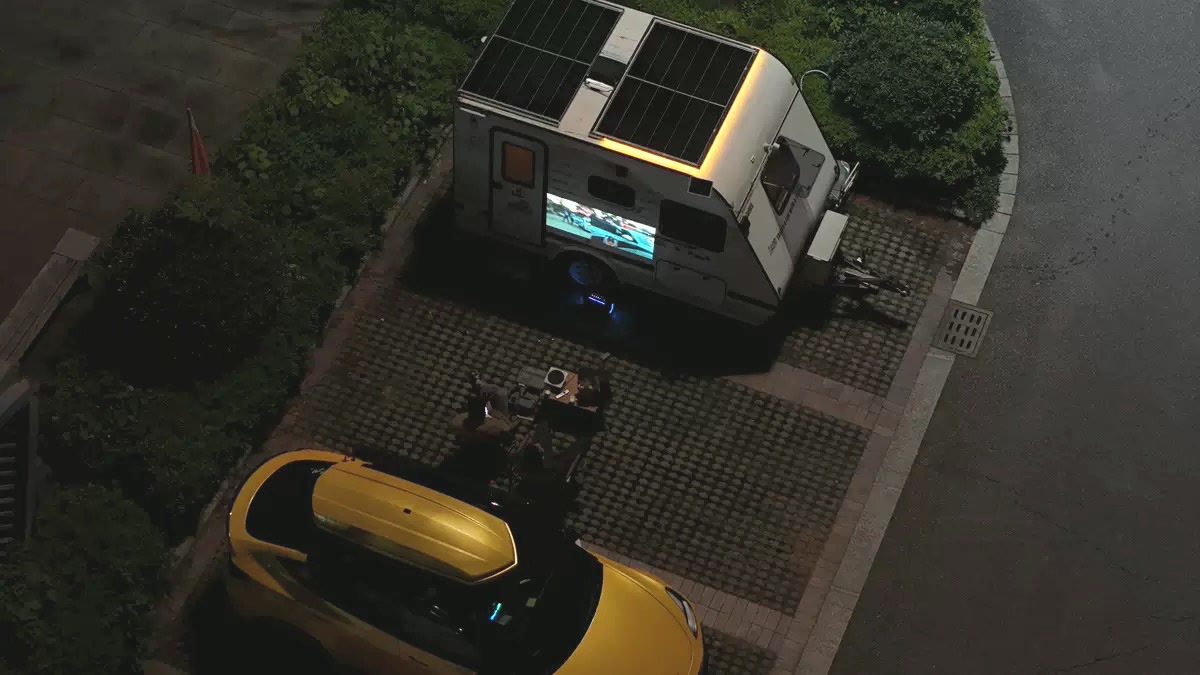
A single 928W reading is a snapshot. What determines how long the RV can operate is the total daily energy harvested, measured in kWh. Daily production depends on peak-sun-hours, shading, module temperature, weather, orientation and charging losses.
For example, a 950W array averaging the equivalent of four full-power sun hours would have a theoretical gross yield of about 3.8kWh before system losses. The real value may be higher or lower. A monitoring log across several days is more useful than one peak reading when sizing the battery and loads.
This 950W RV array shows that a compact rooftop system can operate close to its rated power under favourable conditions. The useful engineering lesson is not the peak number alone: good performance comes from matching PV string voltage, MPPT capacity, battery charge limits, cable size and the real daily load.

Choose a deep well solar pump by duty head and flow. Compare verified supplier models and check water quality, controller voltage and solar array requirements.
عرض التفاصيل
Compare off-grid and hybrid solar inverters by grid connection, battery use, backup operation, PV input, generator support and future expansion.
عرض التفاصيل
Define an off-grid rural home's included appliances, night use and poor-weather plan. Use a household energy schedule before choosing panels and storage.
عرض التفاصيل
Choose single or three phase solar inverters using per-phase loads, outage requirements and an overload example. Check split-phase and expansion limits.
عرض التفاصيل