 حلول الطاقة الشمسية من «سونتريكا»








ابحث عما تريد
البحث في الكلالمنتجالأخبار
بحث
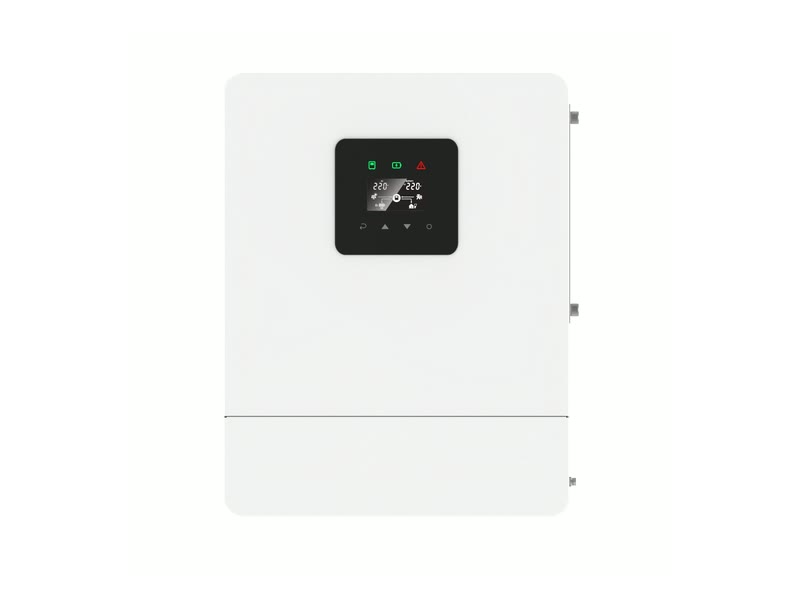
An off-grid inverter and a hybrid inverter may look similar because both can work with solar panels and batteries. However, they are designed for different electrical environments. Choosing the wrong type can create problems with grid connection, backup operation, battery compatibility or future expansion.
The practical starting point is simple: decide whether the property has a usable utility grid, whether exporting solar power is required, and which loads must continue operating during an outage.
| Selection point | Off-grid inverter | Hybrid inverter |
|---|---|---|
| Utility-grid connection | Designed to operate independently of the grid | Designed to coordinate solar, batteries and an approved grid connection |
| Battery requirement | Usually essential for stable operation | Often supported; some models can operate without a battery |
| Exporting surplus energy | Normally not available | May be available when permitted and correctly configured |
| Operation during a grid outage | Continues within the limits of the battery, PV and inverter | Only the designated backup output or essential-load circuits remain powered |
| Generator input | Common on larger remote systems | Available on selected models; the generator port and control logic must be verified |
| Typical application | Remote homes, farms, cabins, telecom sites and locations without a reliable grid | Homes and businesses that want self-consumption, battery backup and grid interaction |
An off-grid inverter creates an independent AC supply from a battery bank. Solar panels recharge the battery through a built-in or separate charge controller. When solar production is low, the battery supports the loads; a generator may provide backup charging for long periods of poor weather.
Because there is no utility grid to stabilize the system, the inverter, battery and solar array must be sized for the real load profile. The design must account for daily energy use, maximum simultaneous load, motor-starting surge, required days of autonomy and seasonal solar conditions.
An off-grid inverter is normally the better choice when:
A hybrid inverter manages several energy sources in one system: the PV array, battery bank, utility grid and sometimes a generator. It can prioritize solar power, charge the battery, supply household loads and import grid energy when necessary.
During a grid outage, a hybrid inverter does not automatically energize every circuit in the building. A properly designed backup system separates essential loads and isolates them from the utility grid. The available backup power is limited by the inverter output, battery discharge capability and the way the installation is wired.
A hybrid inverter is normally the better choice when:
The word "hybrid" is not used consistently by every manufacturer. One model may support battery backup and grid export, while another may only combine solar charging with utility bypass. Likewise, an "off-grid hybrid inverter" may accept grid or generator input but may not be certified for parallel operation with the utility.
Always verify the exact datasheet for the following functions:
A farmhouse has no utility connection and needs lighting, refrigeration, internet equipment, a small water pump and occasional power tools. The system must operate through the night and during cloudy weather.
An off-grid inverter is usually the appropriate starting point. The battery must support the overnight load, the inverter must handle the water-pump starting surge, and the PV array must recharge the battery while also serving daytime loads. A generator input is valuable for extended bad weather.
A home already has utility power but experiences regular outages. The owner wants solar self-consumption and backup for the refrigerator, lights, router and selected sockets.
A locally approved hybrid inverter is generally more suitable. Essential loads can be connected to the backup output, while heavy nonessential loads remain outside the backup circuit. Battery capacity is then selected from the required backup energy and discharge power.
An off-grid system may avoid utility-interconnection costs, but it often needs more battery capacity, additional PV power and a generator contingency. A hybrid system may use a smaller backup battery, but it can require grid-compliant protection, metering, transfer equipment and installation approval.
Compare complete-system costs rather than inverter prices alone. Include batteries, PV modules, mounting, protection devices, cables, monitoring, installation, commissioning and maintenance.
Suntrica supplies off-grid and hybrid solar inverters, LiFePO4 batteries, solar panels and complete solar power-system components. Send the load list, grid condition, required backup time and installation country for a more useful equipment recommendation.
Choose a 12V, 24V or 48V solar battery system by comparing inverter power, DC current, cable size, efficiency, expansion and equipment compatibility.
عرض التفاصيل
Compare commercial solar payback using onsite consumption, export value and installed cost. Review a worked sensitivity example and avoid double-counted savings.
عرض التفاصيل
Check what a hybrid inverter powers during outages, including essential circuits, transfer limits, battery reserve and restart. Plan a witnessed handover test.
عرض التفاصيل
قدّر عدد الألواح بقدرة 400–600 واط لعاكس 5 كيلوواط. تحقق من نطاق جهد MPPT والتيار وجهد الدائرة المفتوحة في البرد واحتياجات شحن البطارية.
عرض التفاصيل