 Suntrica Solar Energy Solutions







SEARCH WHAT YOU WANT
Search allProductNews
SEARCH
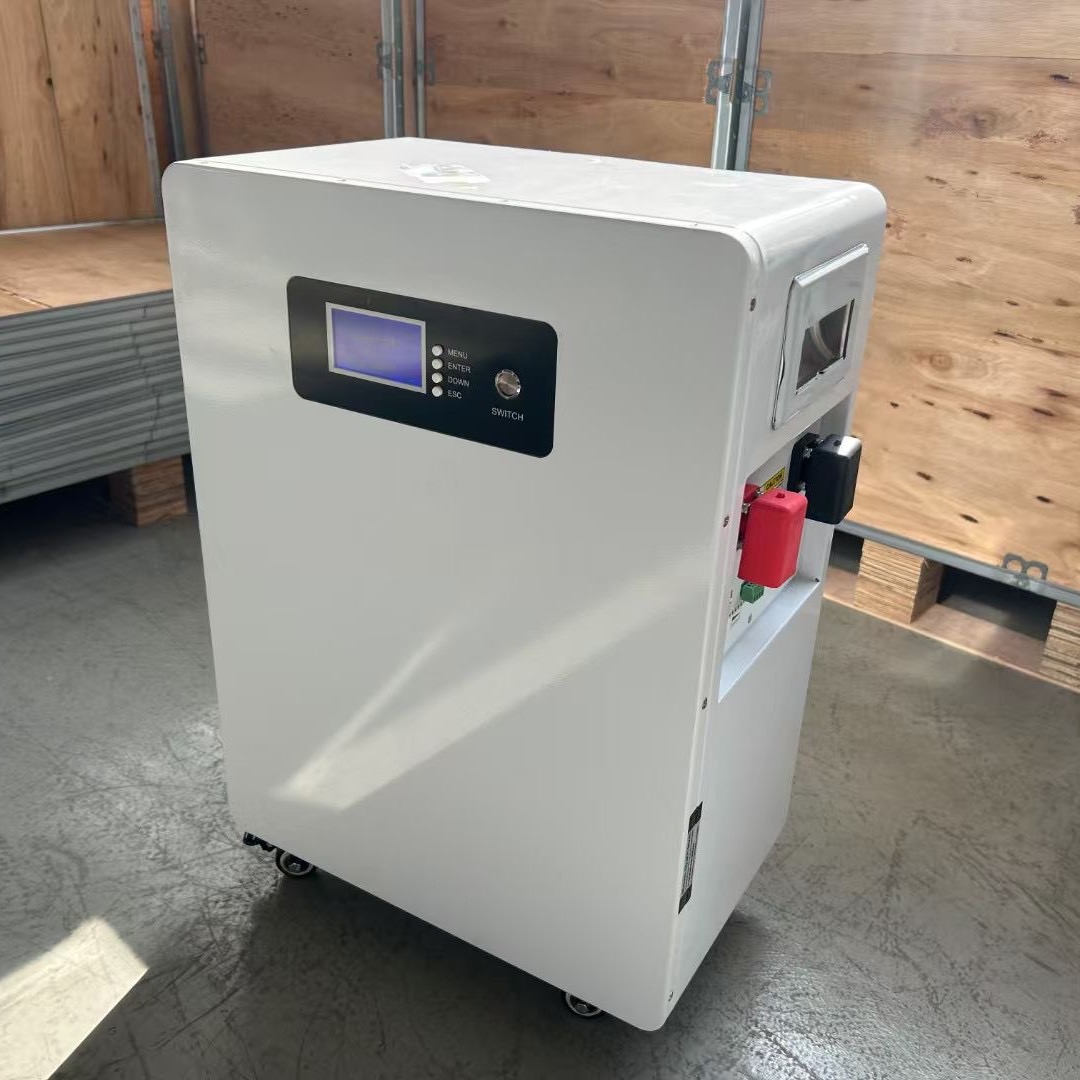
This 25.6V 300Ah floor-standing battery is offered in the 7.5kWh solar storage class. The cabinet has a front display, recessed side handles and castors at the base. In a solar backup system, it provides the storage side of the setup, paired with a suitable inverter and charging equipment.
The photos give a useful look at the product from several angles, including the side connection area and the wooden cases used during packing. For a buyer planning an installation, the practical questions are where the cabinet will sit, which loads need backup and how the battery will work with the rest of the system.
For home or small-business backup, it helps to write down the equipment that must keep running. Lighting, a router and selected appliances create a different demand from electric heating or several motors starting together. Their combined power and operating time give the starting point for battery sizing.
The 7.5kWh figure describes the storage class. The distinction between stored energy and output power matters here: capacity helps estimate running time, while discharge-current limits and inverter ratings determine which loads can operate together.
As a planning example, a steady 500W load running for four hours uses 2kWh at the load. The battery must also cover conversion losses, standby consumption and the reserve kept in the system. Actual backup time therefore needs the usable-energy specification and the intended load profile.
The battery's 25.6V nominal rating puts voltage compatibility near the top of the discussion. Check the inverter's supported battery-voltage range, its charging settings and the battery's permitted charging and discharging limits together. The same-looking cabinet can contain different electrical configurations, so the product label and datasheet should stay with the order.
The installation also needs correctly sized DC cables and protection. If battery-to-inverter communication is required, confirm the supported interface and protocol for the exact models. General inverter selection guidance treats system voltage and power requirements as separate checks; compatibility for this battery should be agreed against its own documentation.
The side handles and castors are useful details when planning the route from unloading to the final position. Check the packed weight, door openings and floor condition before delivery, and use the handling method specified for the battery. Positioning the cabinet also needs to leave access to the controls and connection area.
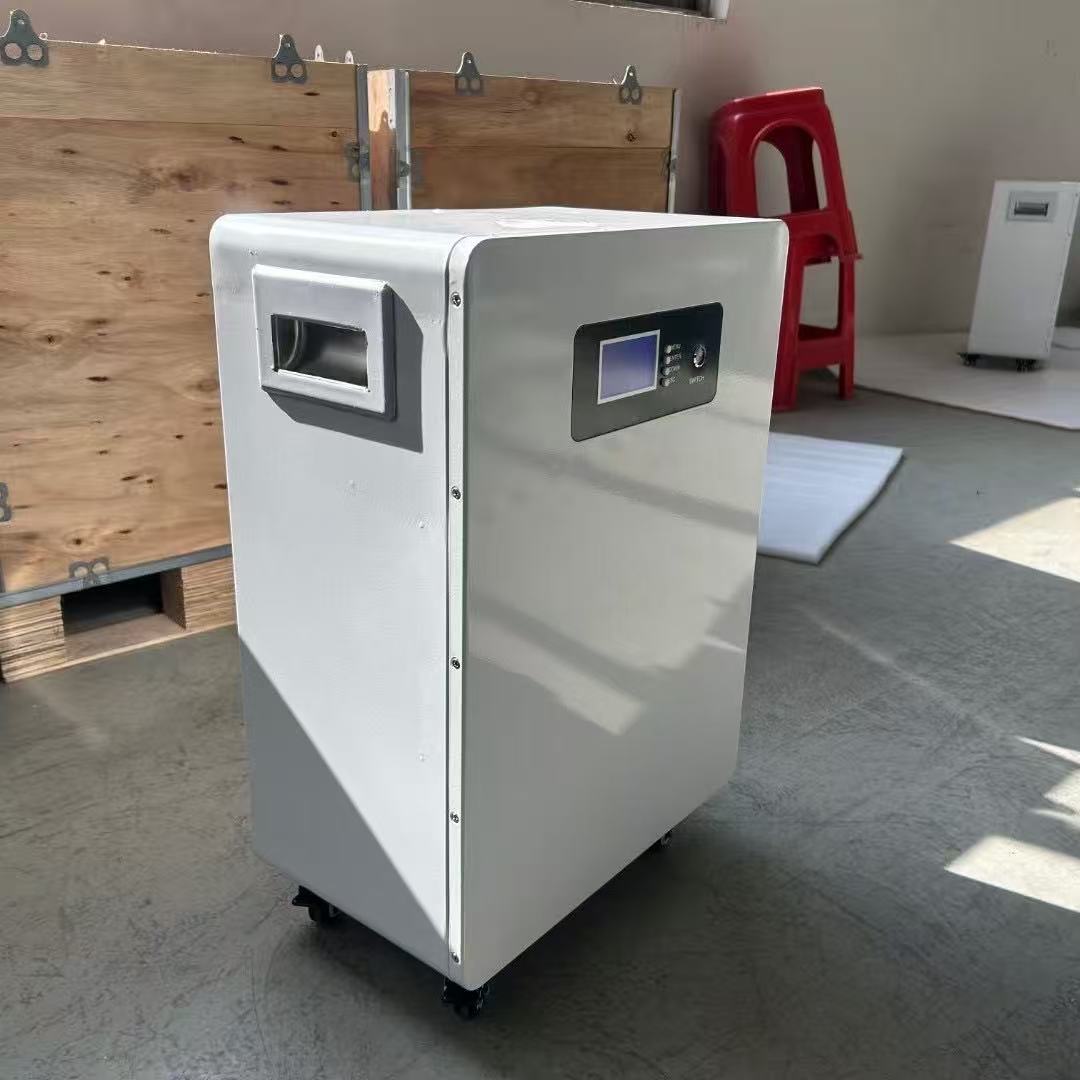
The wider photos show battery cabinets beside open wooden cases, with foam supports and protective wrapping visible inside. These details matter around the display, cabinet edges and castors, where movement during handling could cause damage.
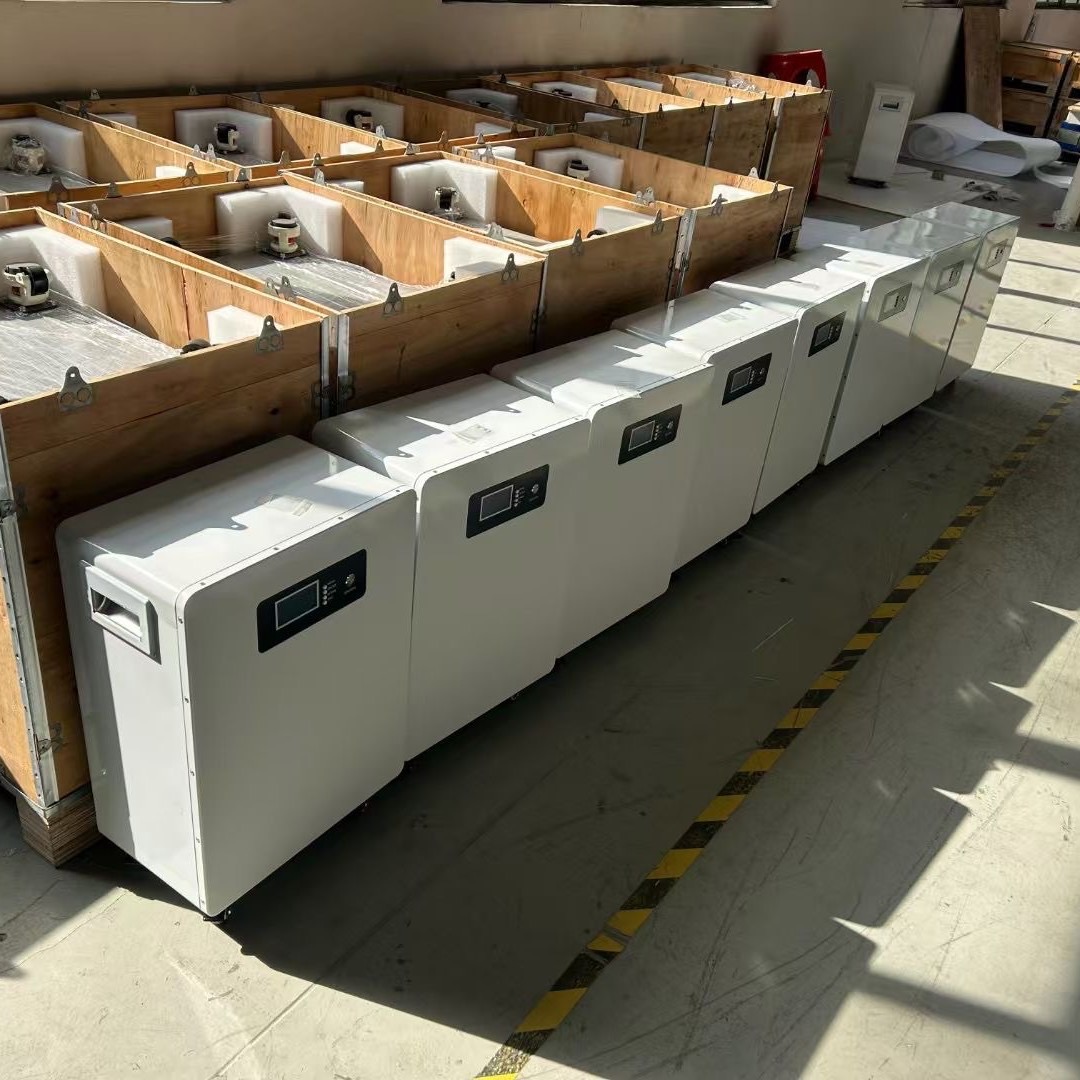
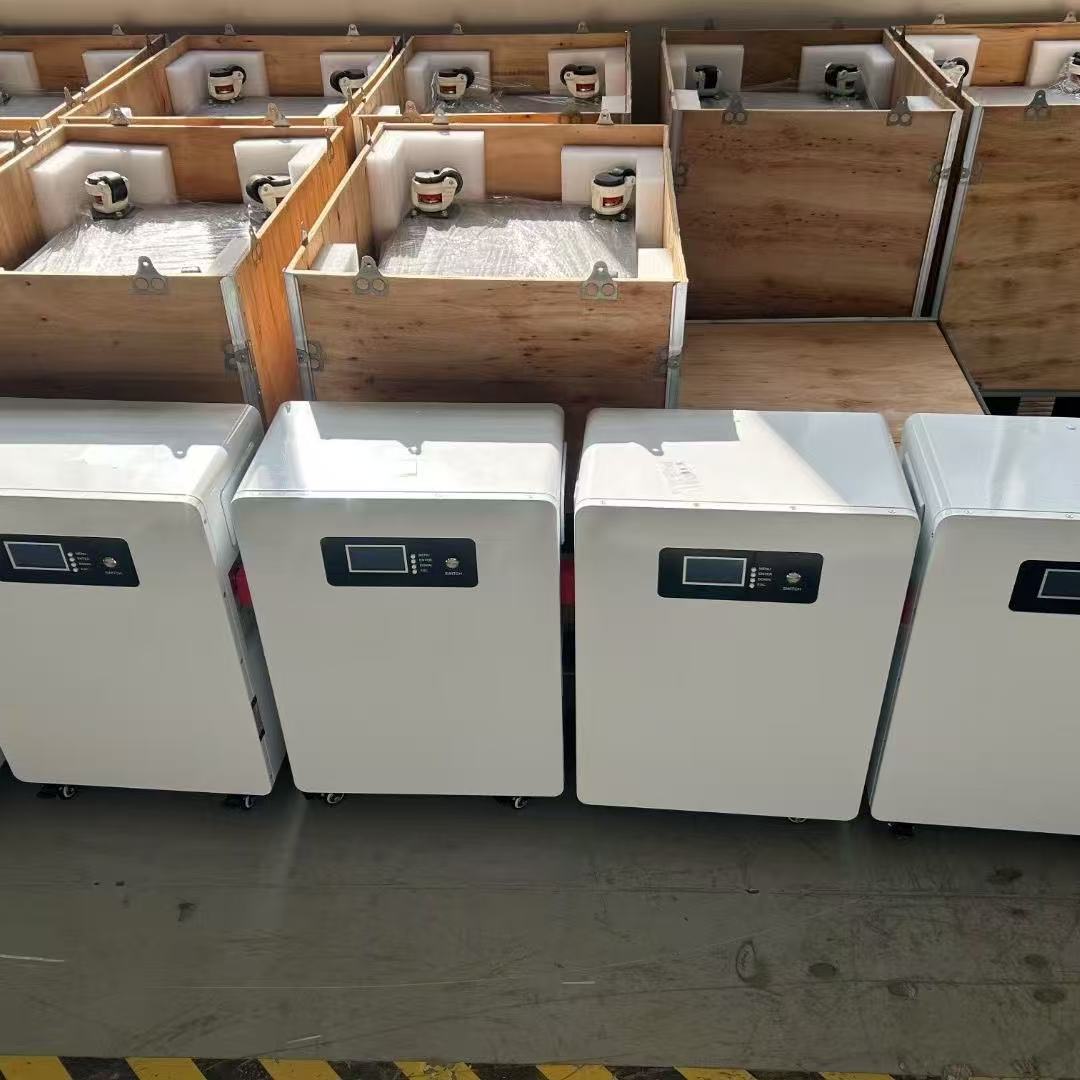
Before dispatch, the agreed packing list should identify the battery configuration, quantity and included accessories. Transport documents and handling instructions need to match the actual battery and shipping route. On arrival, keeping photos of the case and cabinet condition helps make the handover clear.
To discuss this 25.6V 300Ah model or other solar storage batteries, send Suntrica the inverter model, essential loads, required backup time and destination through our contact page. That gives us the information needed to review the battery choice and delivery arrangements with you.

Plan solar OEM ODM cooperation with sample acceptance, batch release checks, revision control and private-label certification review for each product.
View details
Choose single or three phase solar inverters using per-phase loads, outage requirements and an overload example. Check split-phase and expansion limits.
View details
Check MPPT charger PV voltage, input current and battery output separately. Use cold-voltage and charging-current examples before selecting a controller.
View details
Learn how home energy storage with solar batteries and hybrid inverters supports backup power during outages and daily residential energy use.
View details