 Soluções de Energia Solar Suntrica








PROCURE O QUE QUISER
Pesquisar tudoProdutoNotícias
PESQUISAR
Produtos de energia solar e soluções de sistemas
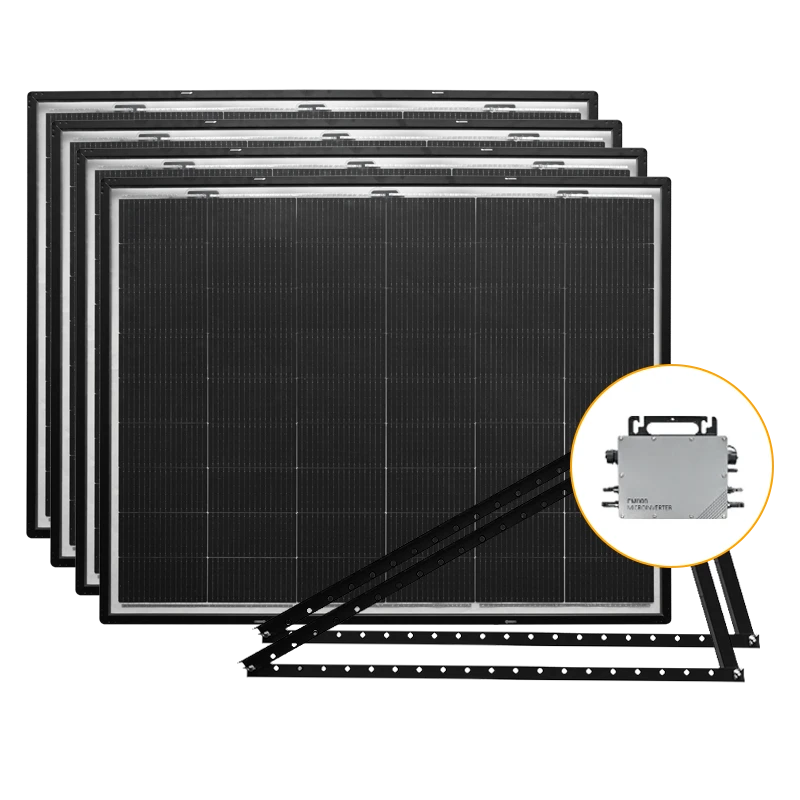
This North American plug-in solar system is a compact grid-connected solution for apartments, rented homes, balconies, patios and other space-limited residential sites. Flexible or lightweight solar panels feed a matched microinverter to support daytime self-consumption, with configurable AC output up to the 1200W class where local rules permit.
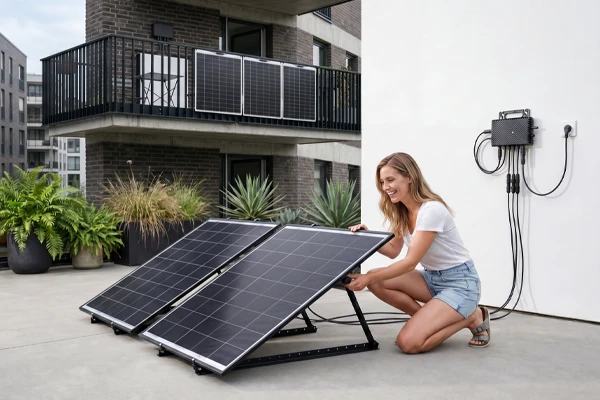
Low-profile full-black flexible modules with a matched microinverter and balcony mounting hardware.
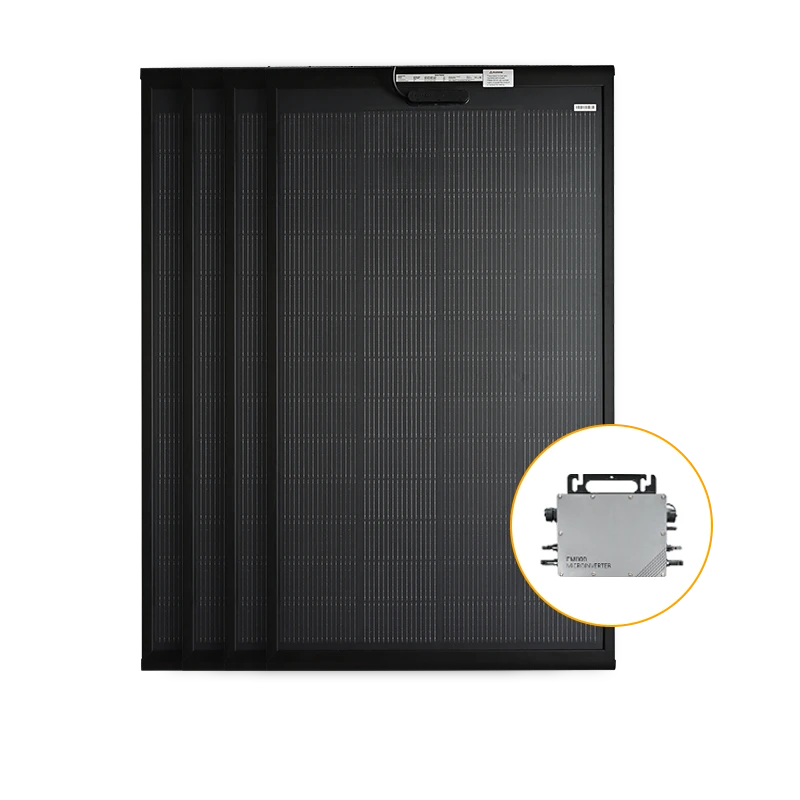
A four-panel 180W-class layout for installations requiring a compact modular arrangement.
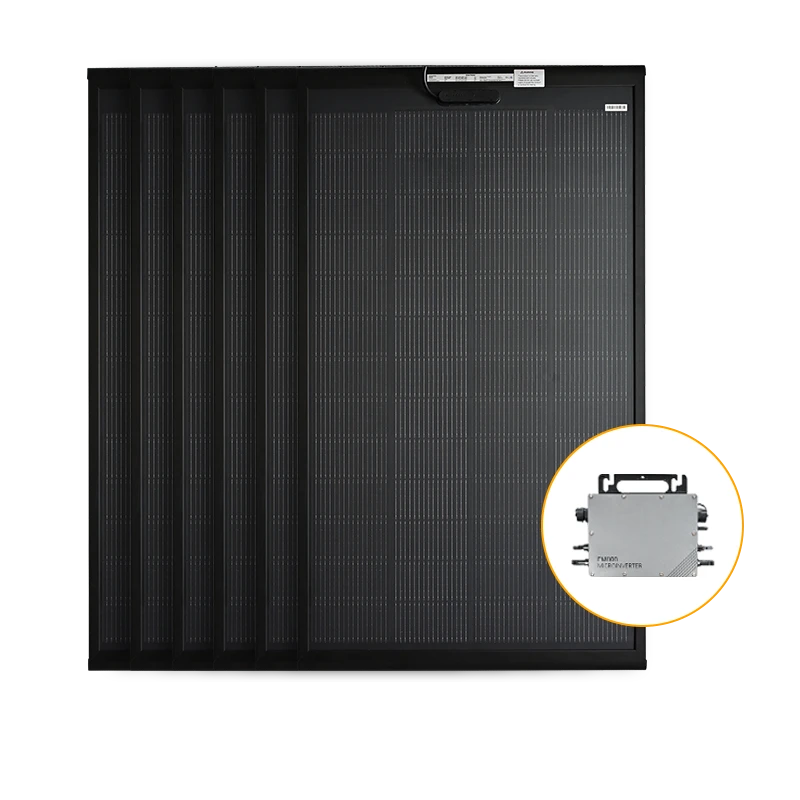
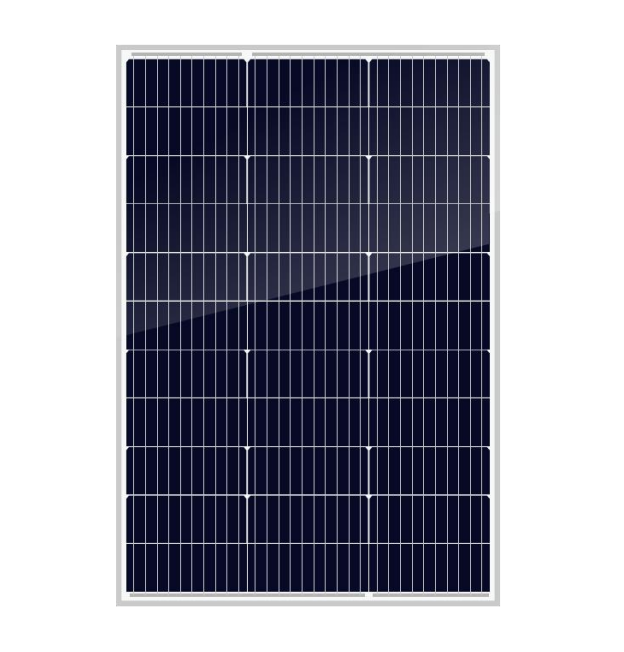
Structured lightweight modules for customers who prefer a conventional framed installation layout.
Solar modules generate DC electricity. A compatible grid-tied microinverter converts it to AC and synchronizes with the local electrical supply. The generated power serves active household loads first, reducing daytime grid consumption. System output depends on sunlight, module orientation, shading, temperature and the load available at the time of generation.
| Planning Item | Available Configuration |
|---|---|
| Target AC output | Configurable up to the 1200W class, subject to local connection limits |
| Solar module type | Flexible full-black or lightweight rigid modules |
| Power electronics | Grid-tied microinverter matched to module voltage, current and MPPT range |
| Installation locations | Balcony railings, patios, terraces, walls and other approved residential structures |
| Mounting | Application-specific rails, brackets or modular supports |
| Monitoring | Optional system monitoring where supported by the selected microinverter |
| Battery backup | Not included in the standard grid-tied plug-in configuration |
Connection rules vary by country, state, utility and building. The permitted AC output, plug or dedicated circuit, disconnect method, export limit, certification and inspection requirements must be checked before ordering or installation. A qualified installer should confirm the electrical connection and the structural capacity of the mounting surface.
Simple payback ≈ Total installed cost ÷ Annual electricity savings
This calculation is only a planning estimate. Actual generation and savings depend on the local electricity rate, solar resource, module orientation, shading, selected system size and how much solar power is consumed during the day.
Send the project country and city, local AC voltage and frequency, maximum permitted plug-in output, installation photographs and dimensions, preferred panel type, mounting surface, target system size, cable length, monitoring requirements, expected order quantity and required certifications.
Suntrica can match the panels, microinverter, mounting hardware and cables to your available space and local connection requirements.