 Suntrica - Solutions d'énergie solaire








RECHERCHEZ CE QUE VOUS VOULEZ
Rechercher dans tout le siteProduitActualités
RECHERCHE
For international buyers, receiving solar equipment in good condition is just as important as selecting the correct voltage, power and dimensions. Small photovoltaic panels are easier to handle than full-size modules, but the glass surface, aluminium frame, cells and junction box can still be damaged by corner impacts, excessive pressure or uncontrolled movement during transport.
A practical packing plan therefore needs to match the product size, order quantity and delivery route. The following photos show real packing and loading work for small solar panels, from pre-shipment checks to container loading.
Before packing, the model, rated power, voltage and quantity should be checked against the order. The panel surface and frame are inspected for visible damage, and accessories are counted separately. For project orders, labels and carton markings should also be confirmed before the shipment is closed.
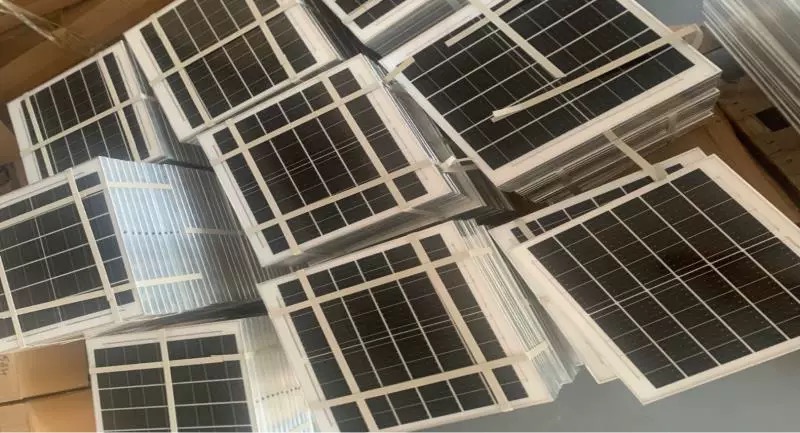
This first check reduces avoidable mistakes. A well-packed shipment is only useful when the correct panels and accessories are inside it.
Small modules are normally placed in a rigid carton with enough internal spacing to prevent the frame from moving. The panel face should not carry concentrated pressure, and the corners need particular attention because impact damage often begins at the edge of the frame.
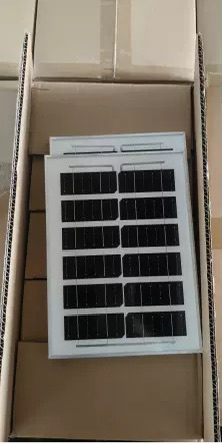
When several panels are packed together, separators or protective layers should be used so that the frames do not rub against each other during handling.
Bubble wrap or other cushioning material provides a useful second layer of protection for individual products and samples. It helps isolate the panel from vibration, scratches and light impact while the package is being transferred between warehouses, vehicles and freight terminals.

The cushioning material should be secure but not so tight that it places unnecessary pressure on the panel surface.
For heavier cartons, mixed orders or routes with repeated loading and unloading, a wooden frame can provide extra structural support. The frame protects the carton from crushing and gives handlers a stronger package to move.
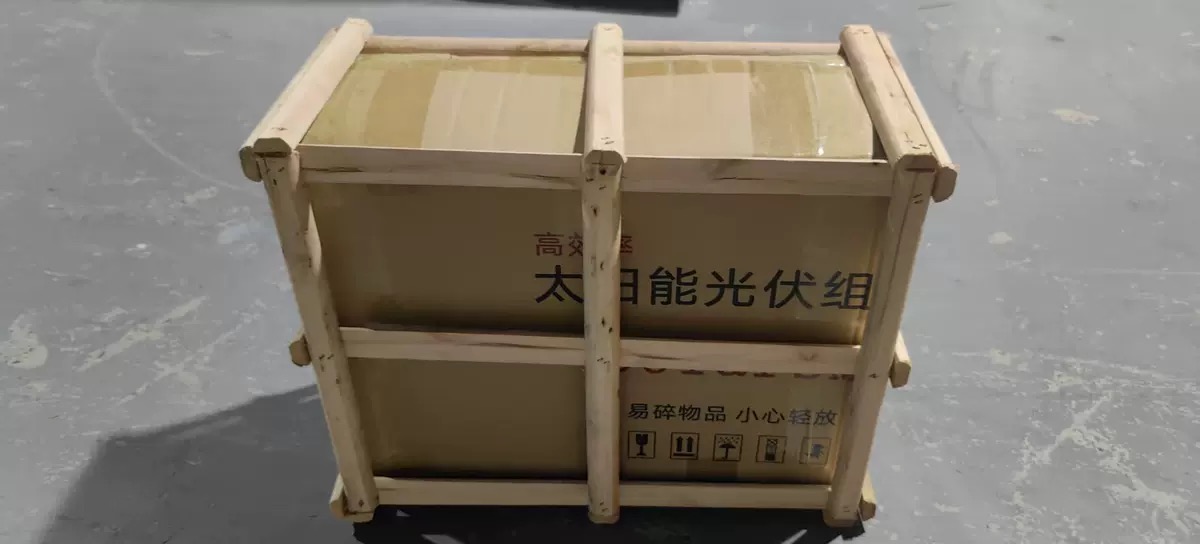
The exact packing method is selected according to panel dimensions, total weight, order quantity and the transport route. Not every shipment requires the same level of reinforcement.
For larger export batches, wooden cases can keep multiple cartons together and provide better resistance to stacking pressure. Cases should be placed on skids or feet so they can be moved by forklift without pushing forks directly against the product cartons.
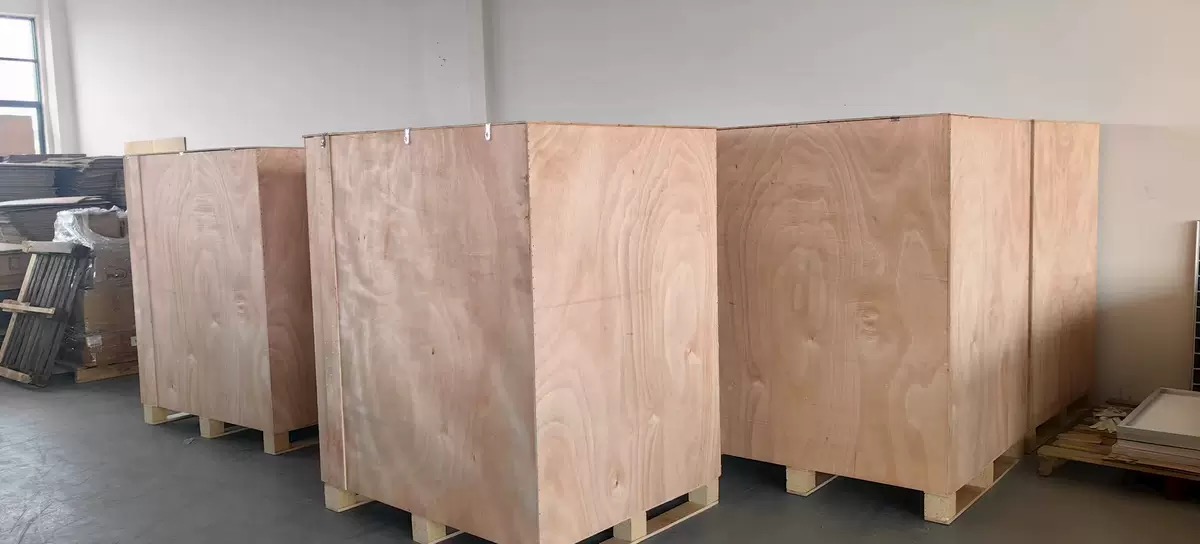
Before dispatch, the case dimensions, gross weight, package count and shipping marks should be recorded. Where required, fumigation-free or compliant export wood materials can be confirmed with the buyer and freight forwarder.
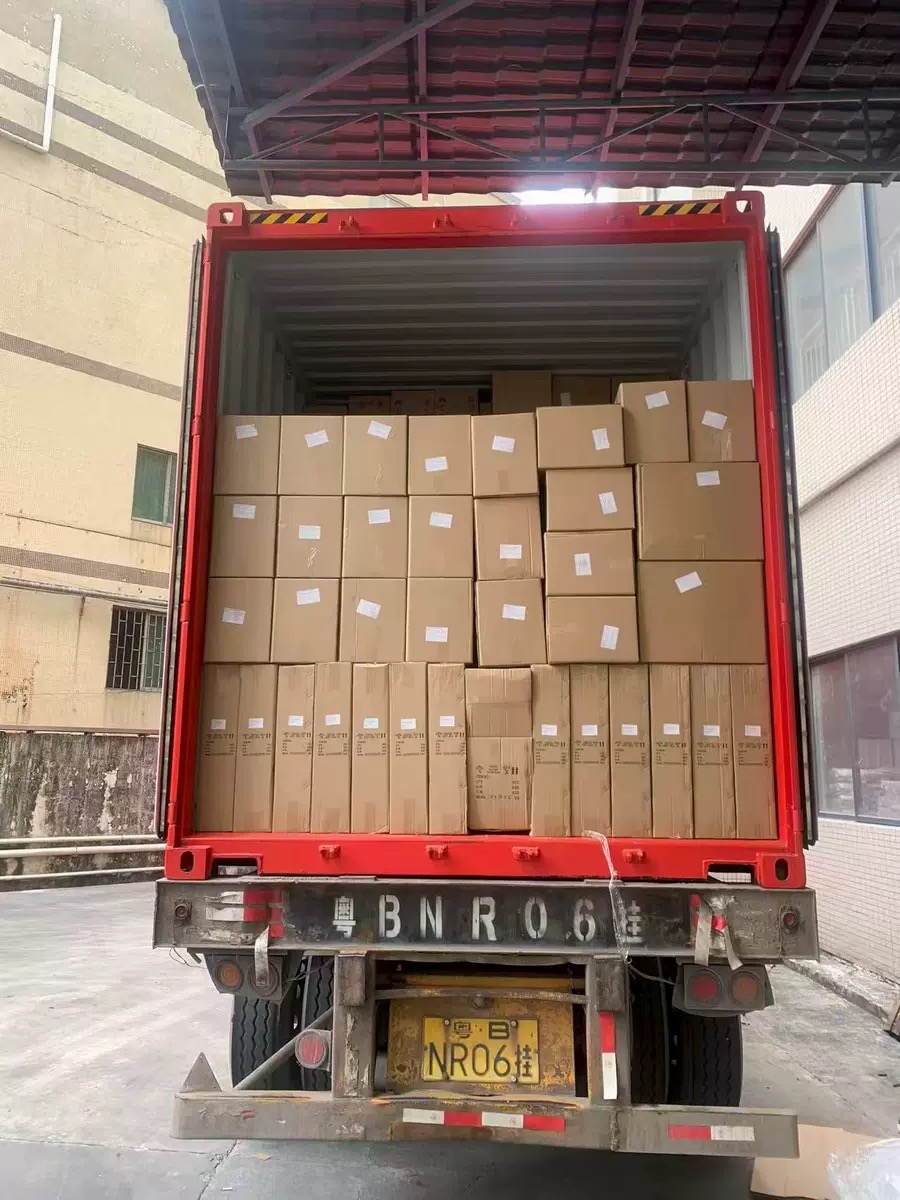
Good packaging can still fail if the cargo is loaded without a stable plan. Cartons and cases should be arranged to use the container space efficiently while avoiding large gaps. Heavy packages stay at the bottom, and the final rows should be secured so that the cargo cannot shift during braking, port handling or sea transport.
Customers often focus on whether the packaging is firm, whether the panels can arrive without collision damage, and whether the products remain easy to install after delivery. These are reasonable concerns. A clear packing specification, combined with pre-shipment inspection and stable loading, gives both the buyer and supplier a practical way to reduce transport risk.
There is no single package that is best for every solar panel shipment. A sample order may need individual cushioning and a strong carton, while a project shipment may require reinforced frames, wooden cases and a full loading plan. Suntrica can confirm the packing method with the buyer before production is completed.
For a packing recommendation, send us the panel size, quantity, destination country and preferred shipping method. We can prepare a suitable export packing proposal together with the product quotation.
Compare LiFePO4 batteries by usable kWh, current limits, cycle test conditions and BMS control. See why equal capacity does not mean equal output power.
Voir les détails
Découvrez comment adapter les panneaux, l'onduleur et la capacité de la batterie au sein d'un même système afin d'obtenir un rendement stable, un fonctionnement plus sûr et une durée de vie prolongée de la batterie.
Voir les détails
Compare commercial solar payback using onsite consumption, export value and installed cost. Review a worked sensitivity example and avoid double-counted savings.
Voir les détails
Choose single or three phase solar inverters using per-phase loads, outage requirements and an overload example. Check split-phase and expansion limits.
Voir les détails