 Suntrica - Solutions d'énergie solaire







RECHERCHEZ CE QUE VOUS VOULEZ
Rechercher dans tout le siteProduitActualités
RECHERCHE
A commercial rooftop solar system can turn unused roof area into a productive clean power asset. For factories, warehouses, offices, farms, and commercial buildings, rooftop solar can support daytime electricity use and reduce dependence on conventional grid power.
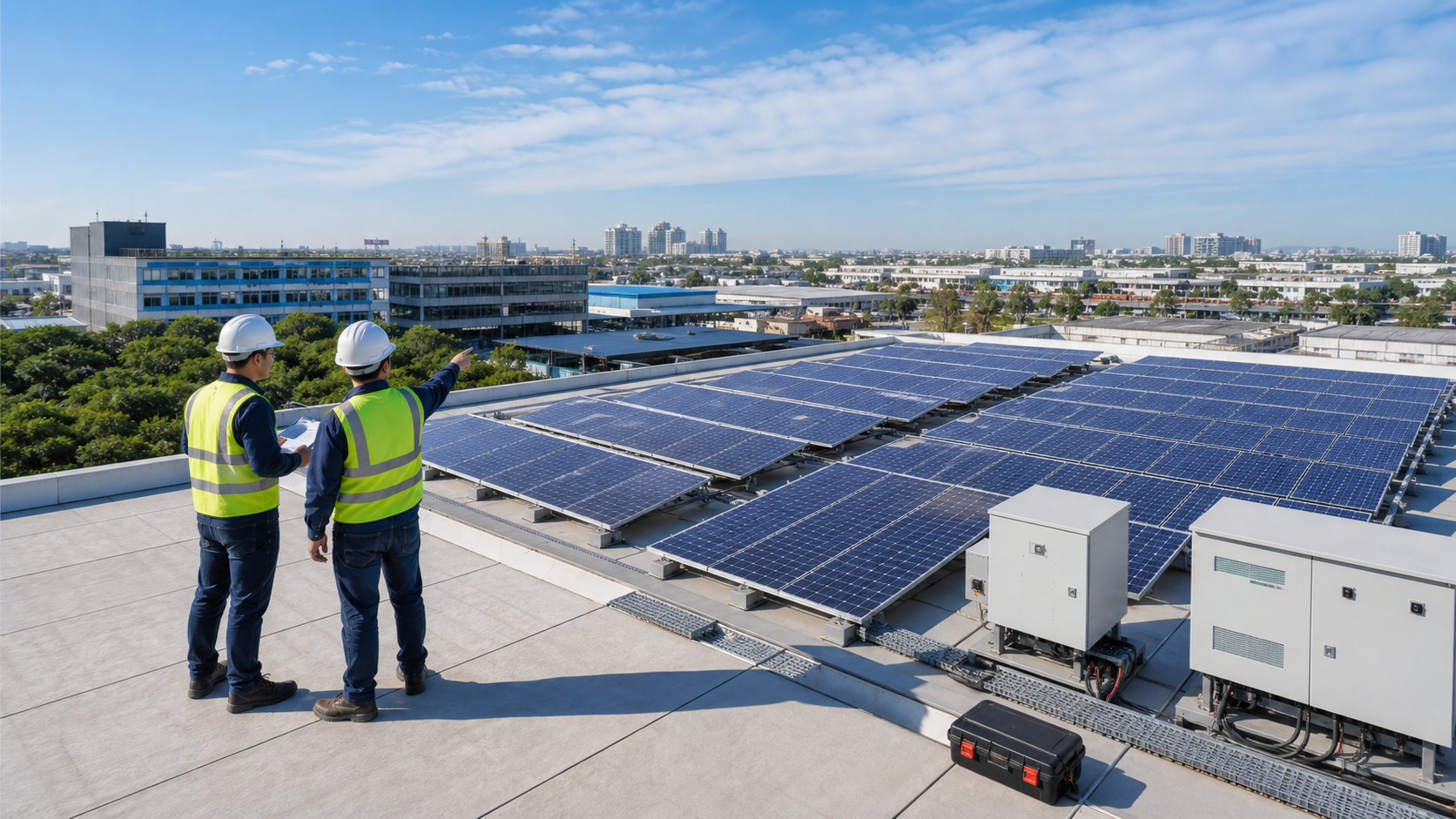
Good planning is essential before purchasing solar equipment. A commercial project usually involves more site conditions, electrical requirements, installation details, and long-term operating expectations than a small residential system.
The roof area, structure, orientation, shading, and installation angle all affect system performance. Project owners should confirm whether the roof can support the mounting structure and whether there are obstacles such as skylights, ventilation equipment, nearby buildings, or trees.
Panel size and power should be selected according to available space and installation layout. Larger modules can reduce the number of panels required for a target capacity, but they must still match the mounting plan and handling conditions on site.
Commercial rooftop solar works especially well when the building uses electricity during the day. Lighting, office equipment, ventilation, refrigeration, machinery, and production equipment may all consume power while the solar system is generating.
A basic load profile helps decide whether the system should be designed for self-consumption, grid connection, backup support, or battery storage integration.
Solar panels and inverters must be matched by voltage, current, string configuration, and total system capacity. A mismatch can reduce generation efficiency or create safety problems. Before ordering, confirm maximum PV input voltage, MPPT range, inverter output type, and local electrical requirements.
Suntrica fournit commercial solar panels et solar inverter solutions for commercial and project use.
Some commercial sites only need daytime solar generation, while others need backup power or energy storage. Battery storage can support critical loads, improve solar energy utilization, and reduce outage risk. The storage size should be based on essential loads and required backup time, not only on total building consumption.
High-intent commercial buyers often search for commercial rooftop solar system, commercial solar panels, industrial solar panels, solar project supplier, and solar system quotation. These searches usually come from companies comparing real project options rather than only reading general information.
For a faster commercial solar quote, prepare the basic project data before contacting a supplier. This reduces back-and-forth communication and helps avoid undersized or mismatched system recommendations.
The number of panels depends on target system capacity, roof area, panel wattage, and installation layout. A commercial project should also check shading, roof structure, and inverter string matching.
Battery storage is useful when the site needs backup power, better solar energy utilization, or critical load support. Some daytime self-consumption projects may not need batteries.
Send roof size, photos, target capacity, daily or monthly electricity use, grid conditions, and whether battery backup is required.
If you are comparing solar panels, hybrid solar inverters, LiFePO4 batteries, solar water pumps, or a complete off-grid solar system, send your project information through the Suntrica contact page. Clear project data helps us recommend a more suitable model and quotation.
A commercial rooftop solar project should be planned as a complete system. Roof conditions, load demand, panel configuration, inverter matching, and future maintenance all influence long-term value.
For project support, send your roof size, target capacity, load data, and installation photos through Suntrica contact page.
Need help choosing a solar configuration? Contact Suntrica for a project quote.
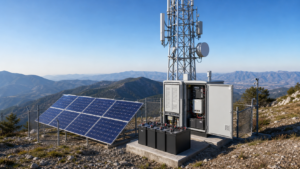
A guide to off grid solar kits for telecom sites covering stable power, battery backup, cabinet design and remote location requirements.
Voir les détails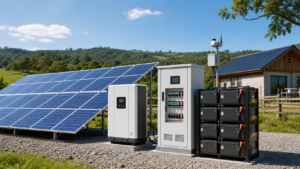
Understand the main components of an off-grid solar system, including panels, inverter, battery storage, charge control and protection devices.
Voir les détails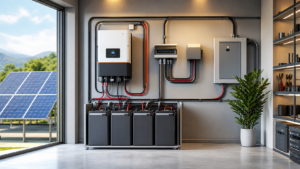
Learn how to match panels, inverter and battery capacity in one system for stable output, safer operation and longer battery life.
Voir les détails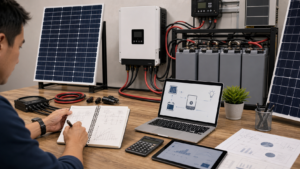
Match solar panel wattage and battery capacity for daily energy use, backup time and stable off grid or hybrid solar power performance.
Voir les détailsFor model selection, project matching or wholesale quotation, Contacter Suntrica, discuter de la coopération, message us on WhatsApp ou appelez-nous +86 185 1610 1196.