 Soluciones de energía solar Suntrica







BUSCA LO QUE QUIERAS
Buscar en todoProductoNoticias
BUSCAR
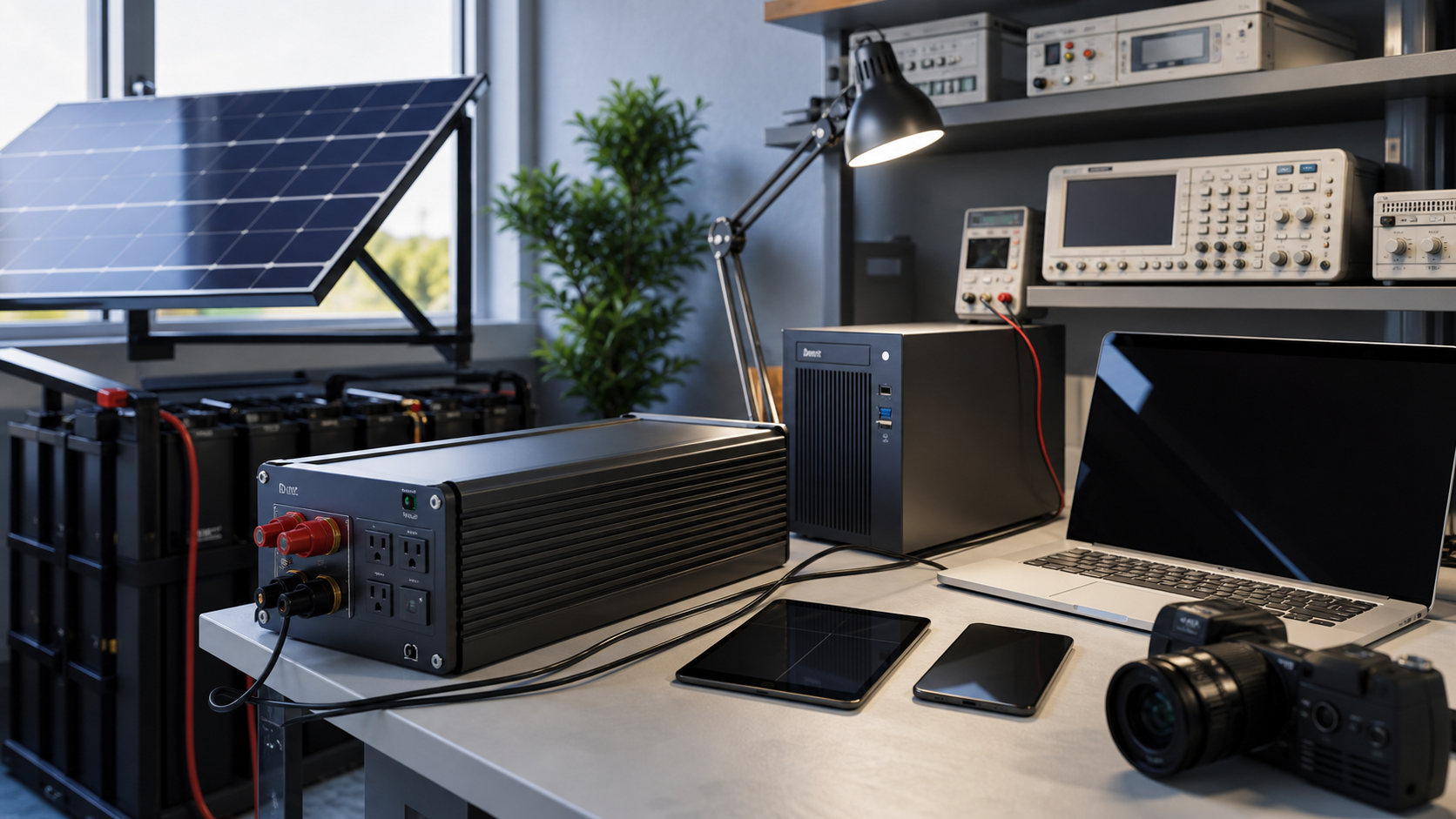
Pure sine wave inverter supporting sensitive electrical loads
Pure sine wave inverters are important in off-grid and backup power systems because they provide cleaner and more stable AC output for modern electrical equipment. Many household and commercial devices are designed to operate on utility-quality power, and if the inverter output is not stable enough, performance problems may appear. This is especially true for equipment that relies on precise electronic control or sensitive internal components.
Sensitive electrical loads often include refrigerators, routers, televisions, computers, communication devices, medical equipment, monitors, and some motor-driven appliances. These devices may experience noise, overheating, reduced efficiency, unstable operation, or even failure when connected to lower-quality waveform power. A pure sine wave inverter helps reduce this risk by delivering smoother output that is closer to standard grid electricity.
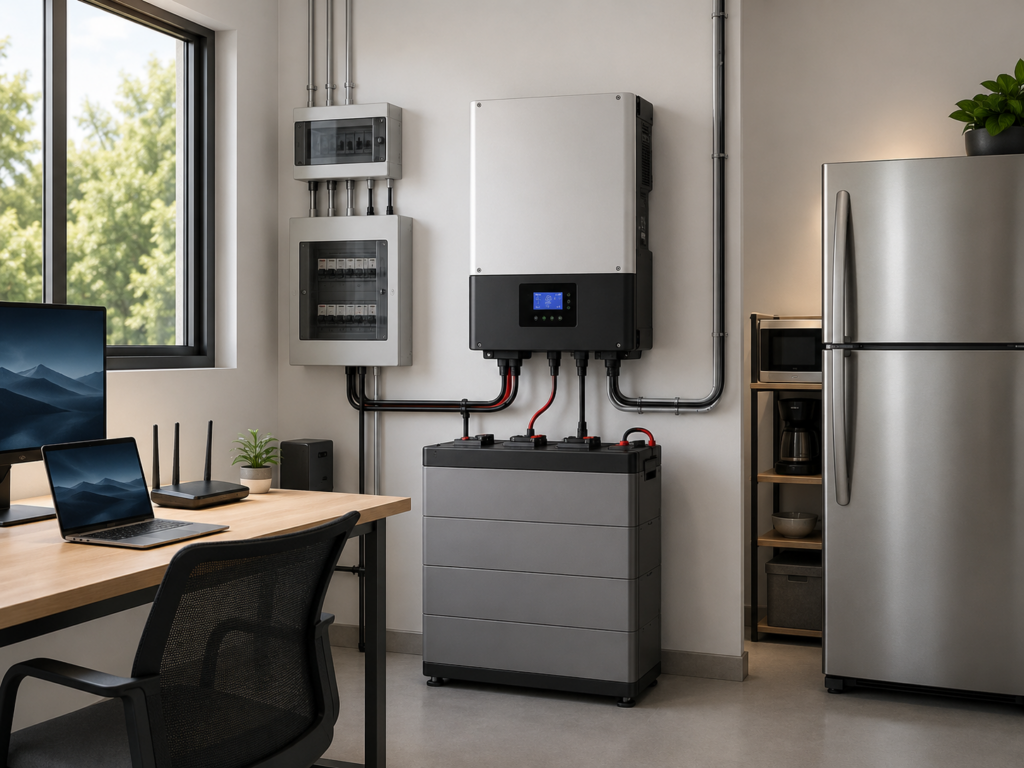
Another advantage is broader compatibility. In real projects, buyers usually do not power only one type of appliance. A single system may need to support lighting, batteries, communication devices, cooling equipment, office electronics, and small machinery at the same time. Pure sine wave output makes the system more practical because it can work with a wider range of loads without creating extra operating problems.
For buyers, choosing a pure sine wave inverter is not only about technical performance, but also about system safety and long-term reliability. It helps protect connected devices, improves power quality, and gives users more confidence when using the system in homes, farms, remote stations, and backup applications. For projects with sensitive loads, it is usually the better and safer choice.
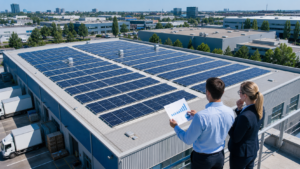
Aprende los conceptos básicos sobre el retorno de la inversión (ROI) de los sistemas solares comerciales para fábricas y almacenes, incluyendo los factores de amortización, el consumo eléctrico, el dimensionamiento de los sistemas y la elaboración de presupuestos.
Ver detalles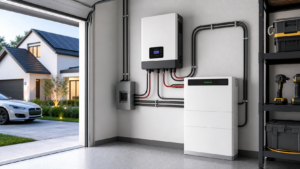
Use this hybrid solar backup sizing checklist to plan loads, battery capacity, inverter power and backup time for homes and small projects.
Ver detalles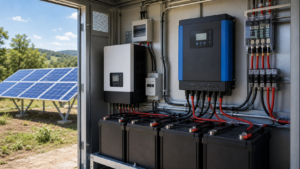
Descubre cómo funciona un regulador de carga solar MPPT en sistemas autónomos y cómo adaptar la tensión de los paneles, el tipo de batería y la corriente de carga.
Ver detalles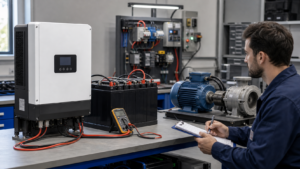
Comprender la potencia de pico de los inversores solares y la adaptación de la carga de arranque para bombas, motores, frigoríficos y otros equipos que requieren un gran consumo.
Ver detallesFor project matching, wholesale supply or OEM/ODM cooperation, Ponte en contacto con Suntrica o debatir sobre la cooperación. También puedes ponerte en contacto con nosotros a través de WhatsApp o llama +86 185 1610 1196.