 solar-machinery
SEARCH WHAT YOU WANT
Search allProductNews
SEARCH
Smart POS Checkout One-Step Solution
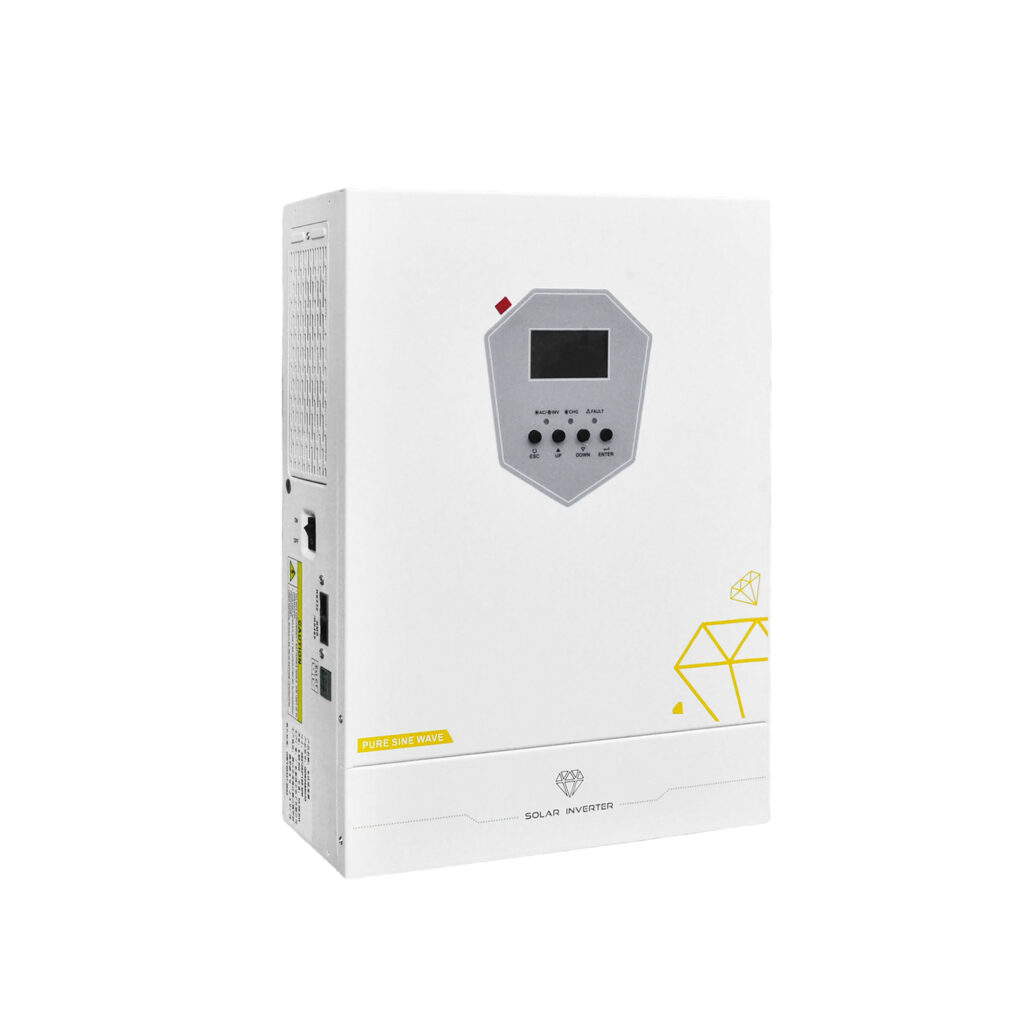
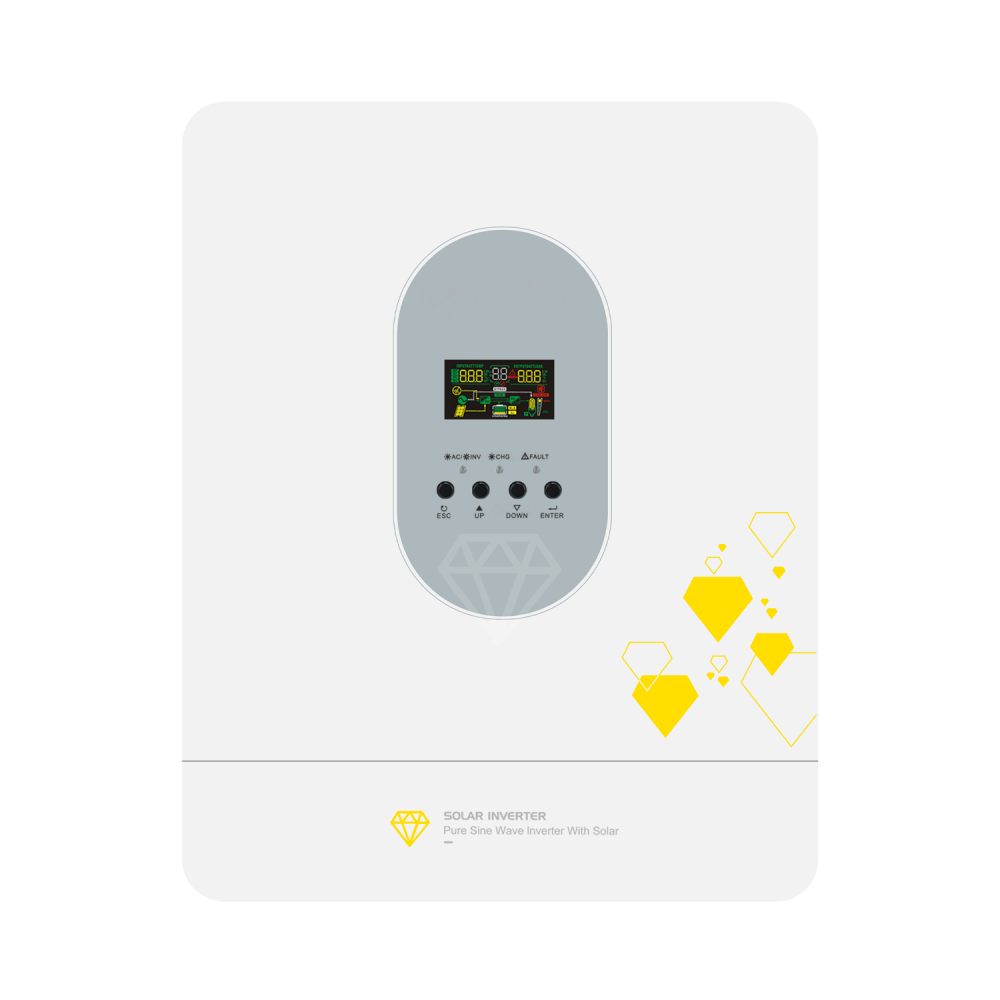
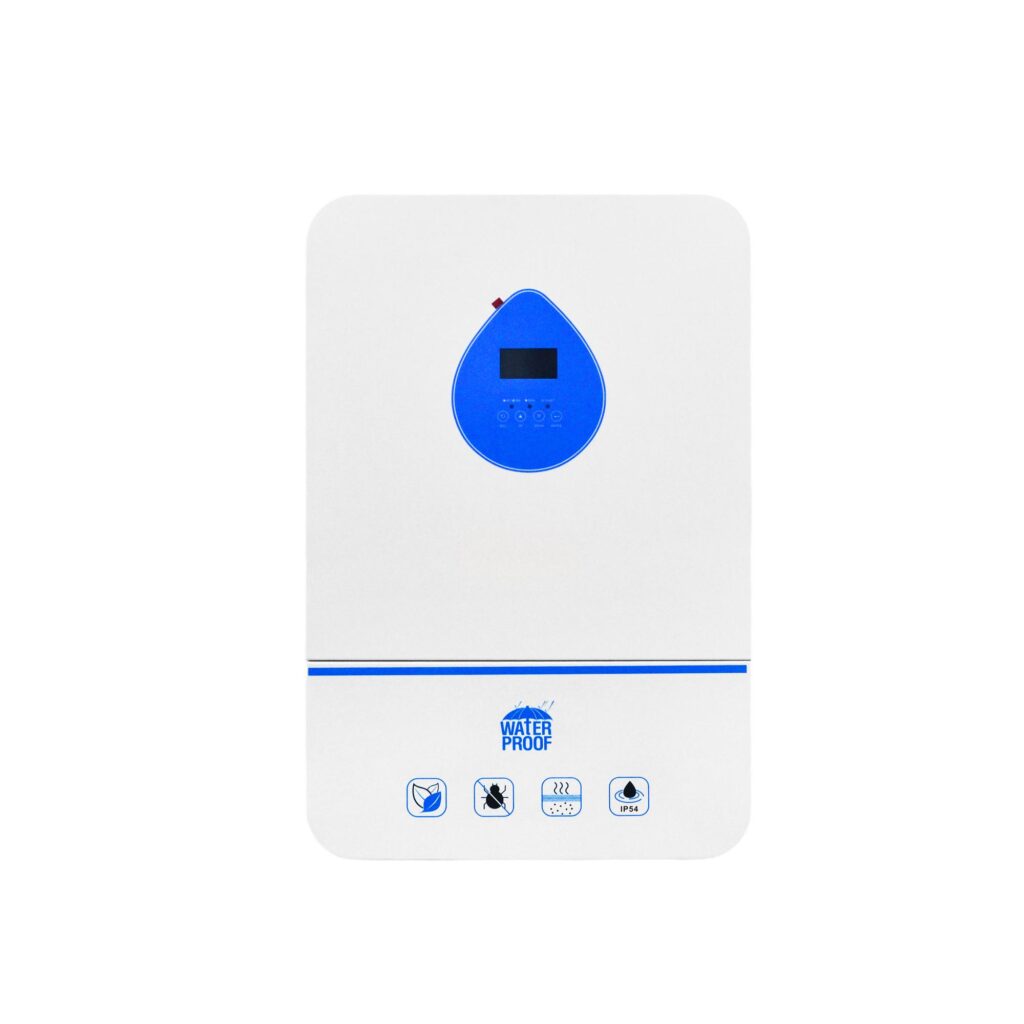
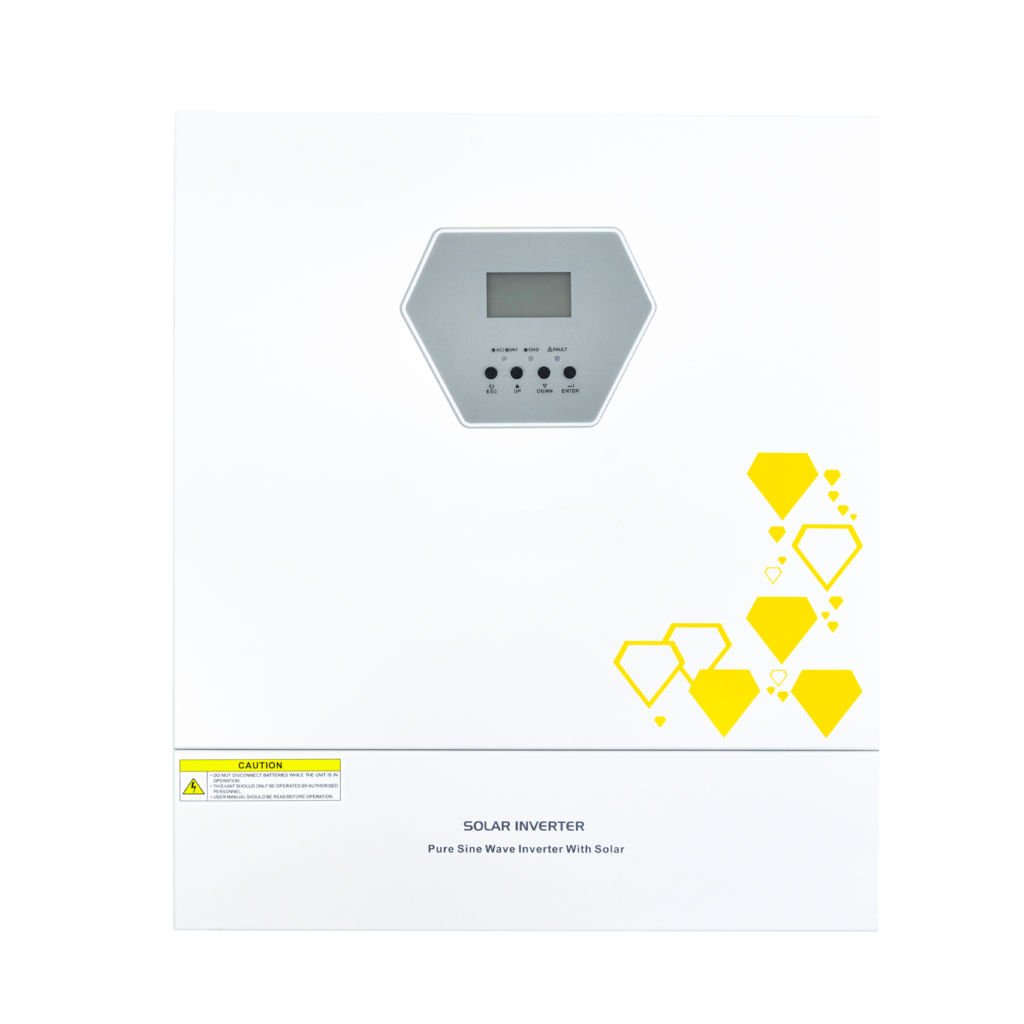
Our Hybrid Solar Inverter is designed for users who need a more flexible and practical power management solution than a standard inverter. By combining solar input, battery management, and utility power coordination in one system, it helps improve energy utilization and supports more stable daily power supply in residential, commercial, and off-grid applications.
Compared with traditional inverter systems that only perform simple conversion, a hybrid solar inverter can manage multiple power sources more intelligently. It allows solar energy to be used first when available, supports battery charging and discharging, and can work with grid power when needed. This makes it a strong choice for users who want both energy independence and more reliable electricity supply.
It is widely used in home energy storage, backup power systems, solar self-consumption projects, and areas where energy cost, power continuity, and system flexibility are all important. For many buyers, a hybrid solar inverter is not only an inverter, but the control center of the whole solar energy system.
Why Choose a Hybrid Solar InverterIn many solar systems, the real requirement is not only converting DC power into AC output, but also managing how solar energy, battery storage, and utility power work together in daily operation. A hybrid inverter is designed for this more complete power management role. It can help reduce reliance on the grid, improve energy self-consumption, and support backup operation when solar production changes or utility conditions are unstable. This is especially useful for homes and small businesses that want more control over power usage and greater system flexibility. For buyers looking for a more advanced and practical solar power solution, a hybrid inverter usually offers better long-term value than a simple stand-alone inverter. |
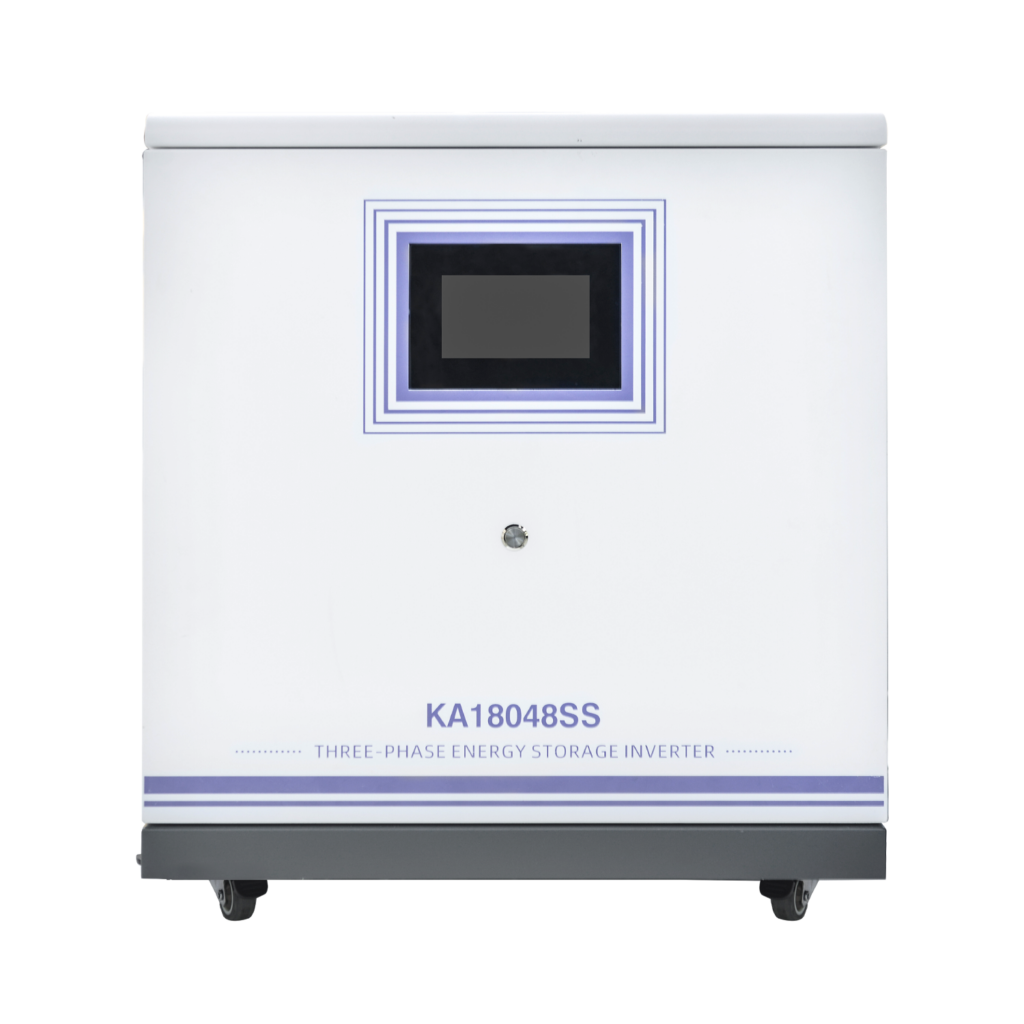
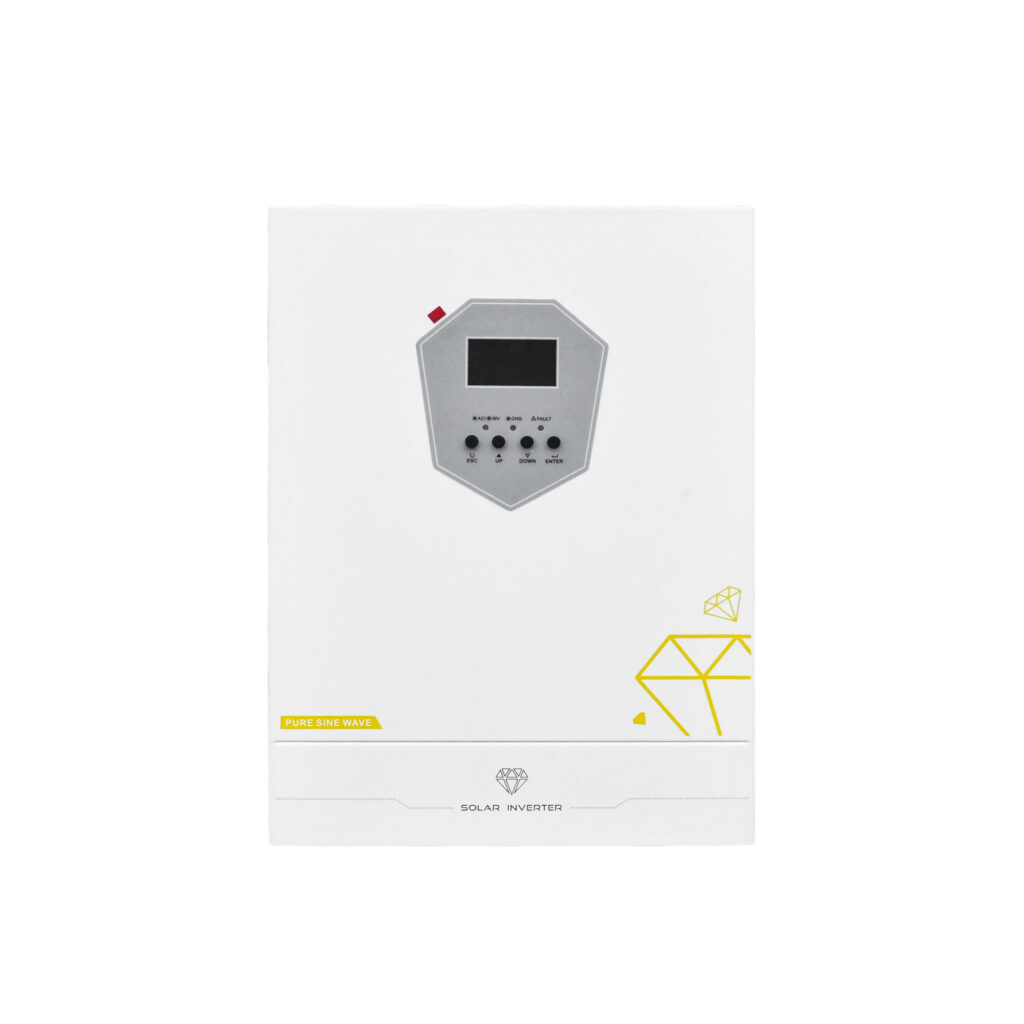 Product Structure / Interface Detail Product Structure / Interface Detail |
| Product Name | Hybrid Solar Inverter | Reference Material | Hybrid Solar Inverter Manual |
| Type | Hybrid Inverter for Solar Energy Systems | Function | Solar Conversion + Battery Management + Utility Coordination |
| Input Source | Solar Panel / Battery / Utility Power | Output Type | AC Output for Household or System Loads |
| Typical Application | Home Energy Storage, Backup Power, Solar Self-Consumption | System Benefit | Higher flexibility and more stable energy management |
| Installation | Wall Mounted / Energy System Integration | Warranty | 2 Years |
| Certificates | Please Confirm According to Actual Model | Packing | Export Standard Packing |
Key Features
|
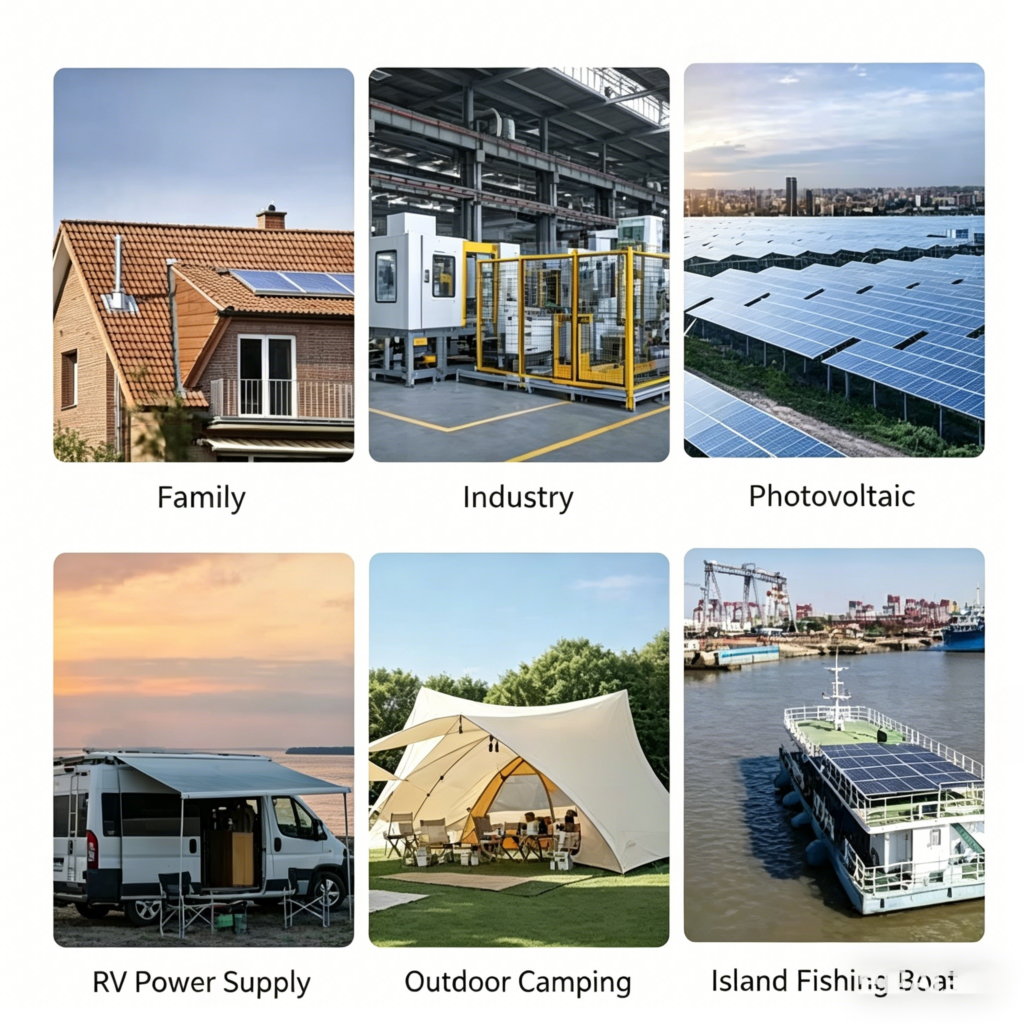
Typical Use ScenariosHybrid solar inverters are commonly used in homes that want to combine solar power generation with battery storage, as well as in projects that require backup capability during outages or unstable grid periods. They are also suitable for users who want more control over when solar energy is used, when batteries are charged or discharged, and how utility power is integrated into the system.
|
| Model | Rated Power | Battery Voltage | PV Input | AC Output | Application Type |
|---|---|---|---|---|---|
| Hybrid Series 3KW | 3KW | 24V / 48V | Supported | Single Phase | Residential / Backup |
| Hybrid Series 5KW | 5KW | 48V | Supported | Single Phase | Home Storage / Backup |
| Hybrid Series 10KW | 10KW | 48V / High Voltage Option | Supported | Single / Three Phase Option | Residential / Small Commercial |
Note: Final specifications should be adjusted according to the actual model in the Hybrid Solar Inverter Manual and the exact series you choose to upload.
Hybrid inverter selection should begin with real system requirements. Buyers should confirm whether the system is for self-consumption, backup use, off-grid operation, or energy storage support. Load size, battery voltage, solar array size, and utility interaction requirements are all important in final model selection.
In many projects, the right hybrid inverter is not simply the highest power model, but the one that matches the actual household load, battery configuration, and daily operating logic of the system.
1. What is the main difference between a hybrid inverter and a normal inverter?
2. Is a hybrid inverter suitable for home energy storage?
3. Can it work during unstable utility conditions?
4. What information is needed before model recommendation?
Tell us your load demand, battery voltage, PV configuration, and application type. We can help you choose the right hybrid solar inverter and matching system solution.