 حلول الطاقة الشمسية من «سونتريكا»







ابحث عما تريد
البحث في الكلالمنتجالأخبار
بحث
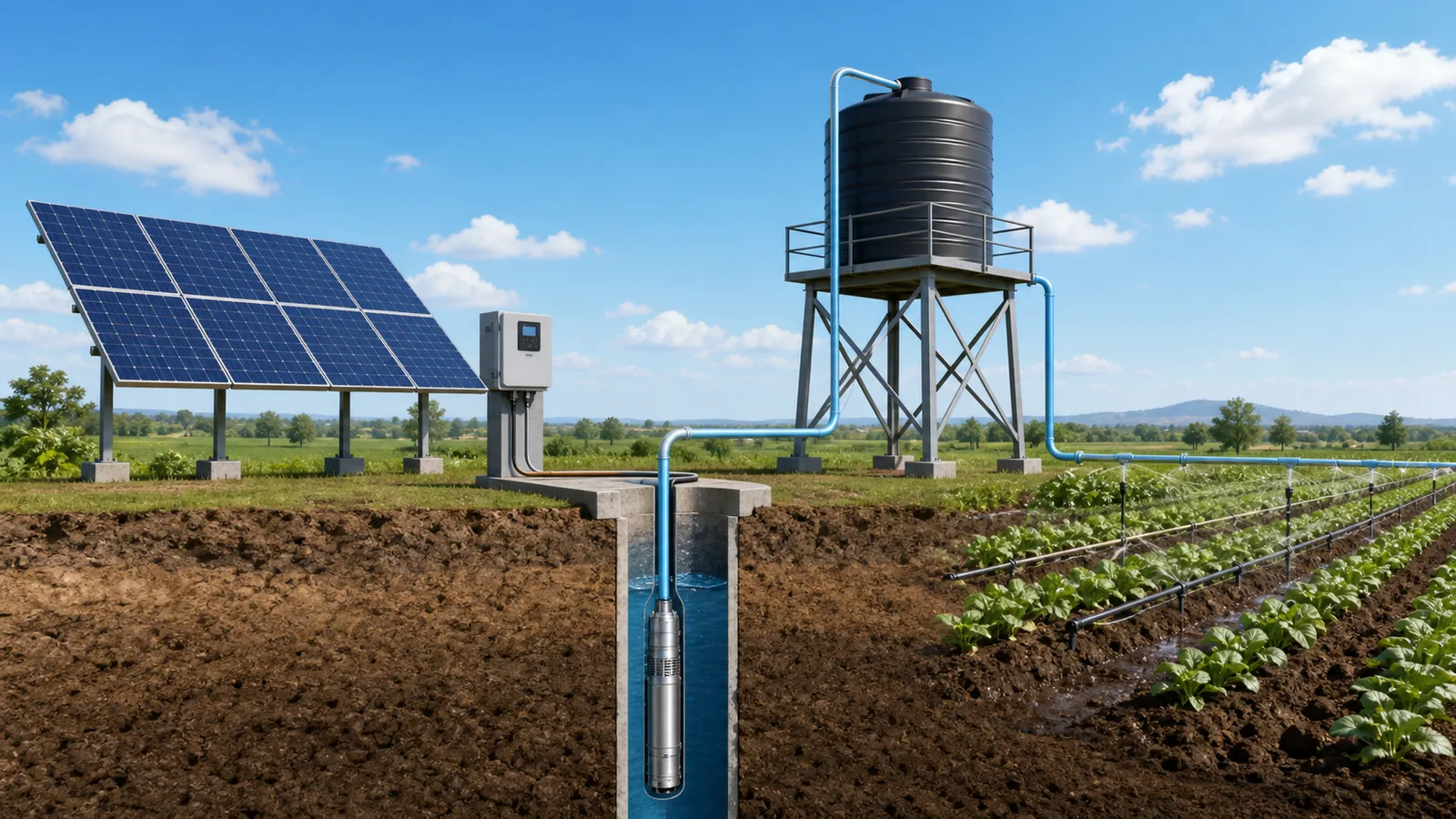
Short answer: Yes. A solar water pump can run without batteries when the PV array powers the pump controller during daylight. If water is needed after sunset or during weak sunlight, the usual battery-free design is to pump water into a storage tank and use the stored water later. Batteries or an AC backup are needed only when the pump itself must operate without sufficient solar power.
Content reviewed: August 18, 2026
| Water requirement | Practical system choice | Battery needed |
|---|---|---|
| Daytime irrigation or tank filling | PV array, solar pump controller and pump | No |
| Water needed at night and a tank is possible | Direct solar pumping with water storage | Usually no |
| The pump must run after dark | Battery-supported system or AC/DC hybrid pump | Yes, or another power source |
| Critical water supply through long low-sun periods | Hybrid solar plus grid or generator backup | Project dependent |
The right answer depends on water demand, total dynamic head, solar resource, storage space and the required operating schedule. A supplier cannot size a reliable system from pump wattage alone.
In a direct solar pumping system, the PV array supplies electricity to a compatible pump controller. The controller manages the available solar power and drives the pump. Pump output normally rises as sunlight improves and falls as irradiance decreases. When the available input falls below the controller's operating threshold, the pump slows or stops.
The basic power path is:
The World Bank identifies water demand, water storage, pumping head, PV location and solar irradiance as core design inputs for solar pumping. FAO guidance also describes direct PV pumping with a reservoir or tank when water is required during cloudy periods or at night.
A battery stores electricity before the pump uses it. A tank stores the water after the pump has already done the work. For many farms, livestock systems and remote water-supply projects, storing water is simpler because irrigation or household demand can continue after the pump stops.
This does not mean a tank is always the cheapest choice. Tank structure, elevation, required pressure, land, pipework and local construction costs must be compared with the installed and replacement cost of batteries. There is no universal tank size or universal payback period.
Relevant Suntrica options include the brushless DC solar water pump, deep well DC solar pump and high flow solar irrigation pump. The final model must be selected from its pump curve at the required flow and head.
Use stored electricity or a second power source when the operating requirement cannot be met by sunlight plus water storage. Typical cases include:
An AC/DC hybrid solar water pump can use solar power when available and an approved AC source when solar input is insufficient. Compatibility and changeover behavior must be confirmed for the selected controller.
Hydraulic power depends on water flow and total dynamic head. Electrical sizing must then allow for pump, controller, cable, pipe and temperature losses. Selecting panels only by matching their nameplate watts to the motor rating can produce poor starting behavior or inadequate daily water volume.
Confirm the exact controller specification before purchase. Depending on the model, useful protections may include dry-run protection, tank-full input, over-voltage, under-voltage, overload and soft start. These functions are not identical on every controller.
It may slow down or stop if irradiance falls below the controller's usable input range. The result depends on the PV array, controller, pump curve and site conditions. A tank, additional array margin or hybrid backup can protect the required water supply.
Only when the pump manufacturer specifically approves that configuration. Most complete systems use a compatible controller to manage the variable PV input and provide protection functions.
Not automatically. The controller and system architecture must support battery operation. If later expansion is likely, specify it before selecting the pump, controller and PV array.
No. Water storage is often practical for irrigation and supply projects, but pressure requirements, tank cost, space and operating schedule can change the answer. Compare complete installed systems for the actual site.
Send the required daily water volume, total dynamic head, well details, pipe length and diameter, installation location, preferred operating hours and any backup power available.
Use the صفحة الاتصال بشركة Suntrica to send the seven sizing inputs above. Our team can match the duty point with a pump, controller and PV configuration from the solar water pump range. Final performance must be confirmed against the selected model's pump curve and installation conditions.
استخدم قائمة التحقق هذه لتحديد حجم أنظمة الطاقة الشمسية الاحتياطية الهجينة من أجل تخطيط الأحمال وسعة البطاريات وقدرة المحول ومدة التشغيل الاحتياطي للمنازل والمشاريع الصغيرة.
عرض التفاصيل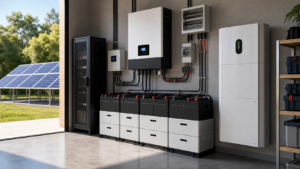
تعرّف على معايير اختيار بطاريات LiFePO4 لتخزين الطاقة في أنظمة الطاقة الشمسية، بما في ذلك السعة، وعمر الدورة التشغيلية، ونظام إدارة البطارية (BMS)، والجهد الكهربائي، ومدة التشغيل الاحتياطي.
عرض التفاصيل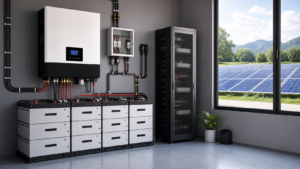
Learn how to match a hybrid solar inverter with battery storage by checking voltage, capacity, charging current, communication and load demand.
عرض التفاصيل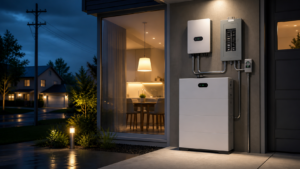
Learn how home energy storage with solar batteries and hybrid inverters supports backup power during outages and daily residential energy use.
عرض التفاصيل